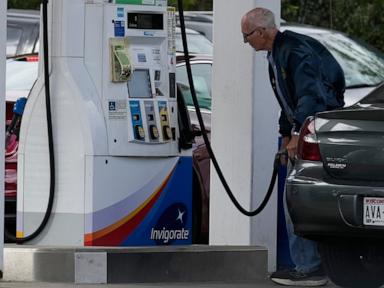
# State Officials Deploy Tax Relief as Gas Prices Surge Ahead of Midterms
State governments across the country are moving aggressively to cut gas taxes and suspend fuel regulations in response to soaring prices at the pump. The moves come as candidates heading into the midterm elections scramble to address voter anger over inflation and energy costs, particularly in states where gas prices have climbed above $5 per gallon.
The surge reflects geopolitical pressure from ongoing conflict in the Middle East, which has disrupted global oil supplies and pushed domestic fuel prices to multi-year highs. State officials have concluded that direct intervention through tax waivers offers a politically expedient response to constituent complaints about affordability.
Several states have already moved forward with targeted relief measures. Governors and state legislatures have waived fuel excise taxes temporarily, a step that typically generates immediate price relief at pumps. Some states have also suspended environmental regulations that require more expensive fuel blends during summer months, allowing refineries to produce cheaper fuel that meets lower standards.
Georgia temporarily suspended its fuel tax. Illinois lifted regulations on fuel additives. Connecticut waived its gas tax. These actions bypass federal policy and allow states to act unilaterally on a cost-of-living issue that polls consistently show matters to voters.
The timing amplifies the political calculus. Midterm elections occur in November, giving candidates roughly six weeks to demonstrate responsiveness to economic anxiety. Democrats face particular pressure as the party holding the presidency, though inflation and energy prices operate largely outside White House control in the short term. Republicans have seized on high gas prices as evidence of Biden administration incompetence, even as global oil markets and OPEC production decisions drive much of the pricing.
State-level action creates a patchwork approach. A driver crossing from one state into another may encounter dramatically different fuel prices based on local tax policy. Refineries must adjust production to meet varying state standards, adding complexity to supply chains already strained by war-related disruptions. Environmental groups have criticized fuel regulation suspensions as short-term thinking that undermines air quality progress.
Federal options remain limited. Congress cannot unilaterally lower global oil prices. The Biden administration released petroleum reserves to moderate prices and considered suspending the federal fuel tax, but Congress rejected that proposal. State action thus becomes the primary visible response available to elected officials seeking reelection.
The gas price issue transcends traditional partisan divides on energy policy. Both Democratic and Republican governors have waived taxes. For voters struggling with weekly fill-ups, the source of price increases matters less than immediate relief. States recognize that voters attribute high prices to whoever holds office, regardless of underlying causes.
Whether these measures move voter behavior in November remains uncertain. Gas prices shift based on global events beyond state control, so relief measures may prove temporary. Yet state officials clearly believe addressing pump prices directly influences midterm outcomes. The coordinated push across multiple states demonstrates how inflation and energy costs have become central campaign issues for 2022.