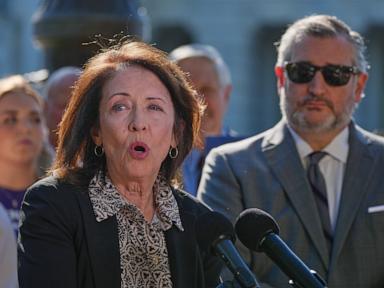
The Senate approved the Protect College Sports Act, advancing a legislative effort to impose financial guardrails on college athletics and address long-standing governance problems within the system. The bill now moves to the House for consideration, where its fate remains uncertain given competing priorities and divergent views on how aggressively to regulate collegiate sports.
The legislation targets several core issues plaguing college athletics. It seeks to establish caps on athlete compensation, regulate name, image, and likeness (NIL) deals that have exploded in recent years, and create uniform rules across states that currently operate under vastly different frameworks. The proliferation of NIL agreements has transformed college sports recruiting and spending patterns, with some programs spending millions annually to attract talent. The bill attempts to standardize these practices nationally rather than allowing a state-by-state patchwork.
The Act also addresses scholarship reform, attempting to provide athlete protections around transfer rules and financial aid guarantees. The legislation emerged from bipartisan frustration with the current system, where spending has spiraled and competitive balance has deteriorated as wealthier programs attract athletes through massive NIL packages. The NCAA has effectively lost authority to enforce spending limits, following legal challenges and regulatory pressure.
House consideration presents the next hurdle. Representatives must balance competing constituencies. College athletic departments, particularly at smaller institutions, worry that spending caps could disadvantage their programs. Student-athlete advocates worry that regulations could restrict compensation opportunities. Meanwhile, some House members favor even more aggressive controls, while others prefer minimal federal intervention in college sports governance.
The timeline for House action remains unclear. The chamber faces packed legislative calendars dominated by funding bills, appropriations measures, and other partisan priorities. Committee leadership will determine whether the bill receives markup and floor time before the current congressional session concludes.
If the House passes an identical version, the bill proceeds directly to President Biden's desk for signature. If the House passes amendments, both chambers must reconcile differences through conference committee negotiations. This back-and-forth process could extend deliberations considerably, particularly if fundamental disputes emerge about spending limits or athlete protections.
Stakeholders closely monitor this process. The NCAA supports regulatory clarity but wants flexibility to manage its member institutions. Power Five conferences, particularly those with deep-pocketed athletic departments, have offered mixed responses. Mid-tier and smaller conferences view national spending caps as potentially beneficial, as it could level recruiting competition.
State attorneys general have shown interest in how federal legislation intersects with state NIL laws already enacted. Several states have passed their own NIL frameworks that may conflict with federal standards if enacted.
The Protect College Sports Act represents the most serious congressional attempt to impose national governance standards on college athletics in decades. Whether the House acts, and how aggressively it shapes the legislation, will determine whether college sports receives federal oversight or continues operating in a fragmented state system where some states impose restrictions while others impose none.