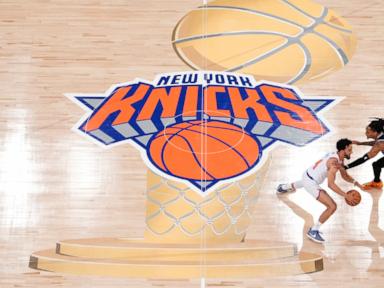
# Knicks' White House Visit Decision Remains Unresolved
The New York Knicks face an uncertain timeline for a potential White House visit following their NBA championship win, with head coach Mike Brown indicating the team continues internal discussions about accepting an invitation from the Trump administration.
Brown's statement marks an unusually prolonged deliberation period for a championship team's traditional White House visit. NBA champions historically complete these ceremonial trips within months of winning their titles. The Knicks' extended deliberation suggests internal divisions or diplomatic considerations that differ from standard championship protocols.
The Trump administration has invited the Knicks to visit the White House, a custom dating back decades across professional sports. Every NBA championship team since the tradition formalized has accepted the invitation and appeared for the formal ceremony with the sitting president. A Knicks refusal would break a pattern spanning multiple administrations and generations of basketball.
Mike Brown's public acknowledgment that the team "is still discussing" the visit indicates the decision remains unsettled at the organizational level. This contrasts sharply with the routine acceptance ceremonies that typically occur shortly after championship runs conclude. The Knicks won their championship in the 2024 NBA Finals, making the extended timeline noteworthy.
The visit represents more than ceremonial protocol. White House visits carry symbolic weight in professional sports, serving as recognition of athletic achievement and cultural moments. Refusals or delays in accepting such invitations often signal underlying tensions between sports figures and current administrations, whether rooted in policy disagreements, social justice concerns, or other political considerations.
Previous NBA champions have occasionally expressed hesitation about White House visits under different administrations. Some players cited scheduling conflicts or personal political views. However, organized team-level indecision extended over weeks or months remains less common in the modern era.
The Knicks organization includes players, coaching staff, and management who may hold varying perspectives on visiting the Trump White House. The team's deliberation likely reflects attempts to build internal consensus rather than making a unilateral decision that could alienate portions of the roster or fan base.
Brown's comments raise questions about what timeline the team envisions for a final decision. The NBA season progresses rapidly, and championship teams typically complete their White House obligations before the next season begins. Extended delays risk the visit becoming dated or overlapping with the subsequent championship cycle.
The situation also highlights evolving tensions in professional sports regarding political engagement. Players and organizations increasingly assert agency in responding to political moments and policy positions. Where championship visits were once automatic, teams now evaluate whether participation aligns with their values or public positioning.
For the Trump administration, the Knicks' hesitation represents an early test of White House relations with major sports institutions. The outcome could influence how other championship teams from different eras or sports view their own invitations.
Brown's statement suggests a resolution remains weeks away. The team faces pressure to conclude discussions and provide clarity to the White House and public. Whether the Knicks accept or decline, their decision will establish a precedent for how contemporary sports organizations navigate political relationships with the sitting presidency.