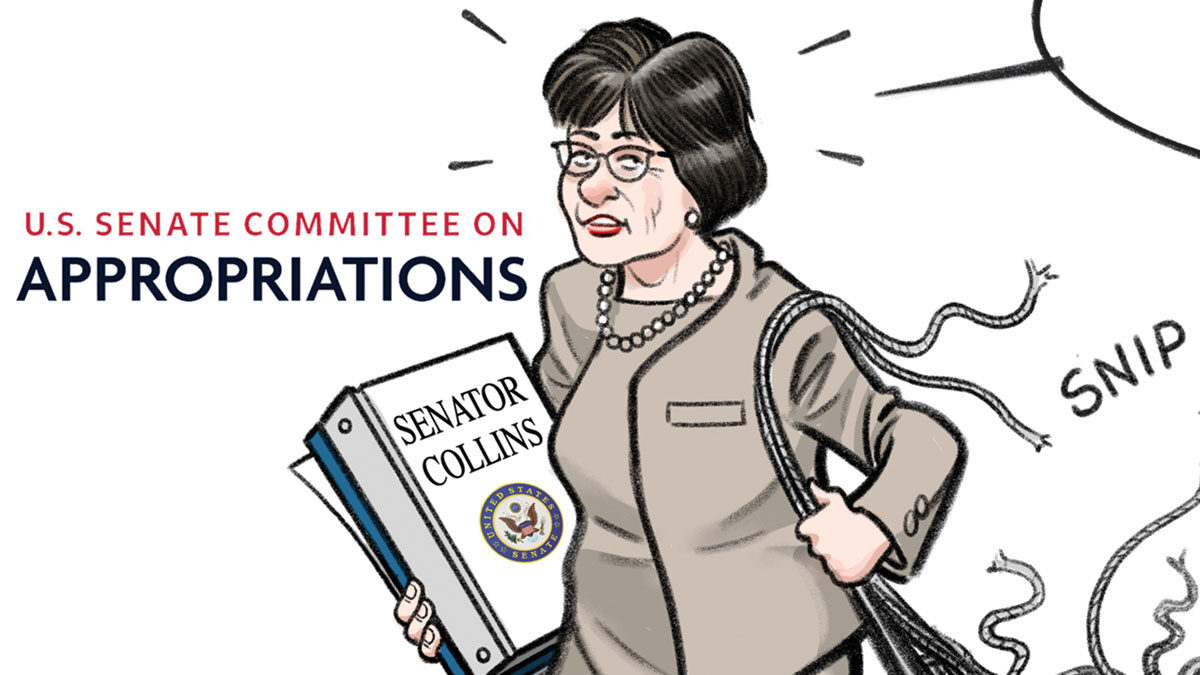
# Capitol Ink: How Republicans Are Using Rescissions to Quietly Cut Federal Spending
House Republicans have discovered a legislative tool that lets them cut federal spending without the political friction of a full budget fight. Rescissions, provisions that claw back already-appropriated funds, have become the preferred weapon for conservative budget hawks who want to reshape government spending without the public drama of budget reconciliation or debt ceiling negotiations.
The mechanism works simply. Congress appropriates money for agencies and programs. Months or years later, Republicans introduce rescission bills that formally cancel portions of those funds, returning them to the Treasury. Unlike budget battles that dominate headlines and force negotiations between parties, rescissions operate with less fanfare. They require only a simple majority vote in both chambers.
The political advantage is clear. Republicans can cut specific programs or agencies their base opposes without triggering the elaborate procedural gauntlets that accompany traditional budget fights. There is no debt ceiling standoff. No government shutdown threat. No requirement to negotiate with Democrats on what gets cut and what survives. The opposition faces a binary choice: accept the rescission or block it entirely, which looks like defending wasteful spending to voters.
Democrats have countered that rescissions represent a backdoor method for evading congressional budget rules and democratic scrutiny. Spending bills pass through committee hearings, floor debate, and amendment processes. Rescissions collapse that process into a single up-or-down vote on cuts that were never part of the original legislative debate.
House Speaker Mike Johnson and the Republican conference have leaned into this approach. The party identified billions in spending they view as wasteful or ideologically objectionable, from diversity initiatives to green energy grants. By packaging rescissions, Republicans can target programs their donors oppose or their base finds wasteful without forcing every member to defend a comprehensive budget proposal.
The Biden administration and Senate Democrats have little leverage once a rescission bill passes the House. A Senate filibuster requires 60 votes, a threshold Republicans cannot clear alone. President Joe Biden could veto a rescission, but overriding a veto requires a two-thirds supermajority in both chambers. In practice, this means Democrats must either negotiate with Republicans to moderate the cuts or watch the funds disappear.
The rescission strategy reflects broader Republican strategy to use procedural mechanisms rather than legislative consensus to reshape government. It mirrors earlier GOP tactics around reconciliation bills, where budget rules bypass the 60-vote Senate threshold and limit Democrats' ability to block action.
The long-term implication cuts both ways. If rescissions become routine, either party in control could use them to unilaterally undo funding decisions made by previous administrations. This weakens the durability of appropriations and empowers the majority party to reshape spending priorities between elections.
For the 118th Congress, rescissions serve Republican objectives. They allow the party to demonstrate fiscal restraint and target unpopular programs without the extended negotiations that define traditional budget disputes.