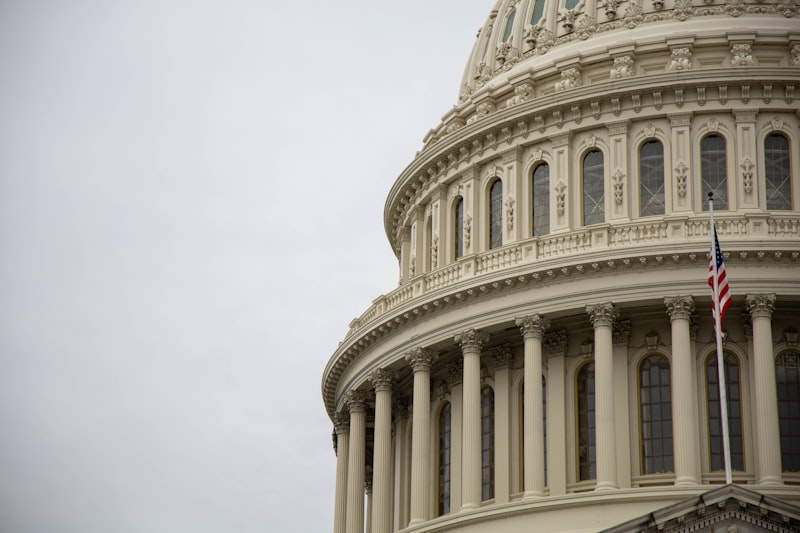
The Senate has passed the Protect College Sports Act, advancing legislation designed to reshape the regulatory landscape of college athletics. The bill targets what supporters describe as a chaotic period in college sports triggered by ongoing litigation that has dismantled traditional rules governing athlete eligibility, transfer restrictions, and compensation.
The National Collegiate Athletic Association backs the legislation, viewing it as necessary intervention in what the NCAA characterizes as a "Wild West" environment. The association argues that without federal action, courts will continue eroding the regulatory framework that has governed college sports for decades.
The bill addresses several flashpoint issues in modern college athletics. Court cases have progressively weakened NCAA authority to restrict athlete compensation and regulate player movement between schools. The legislation seeks to establish uniform national standards rather than allowing individual states or courts to set different rules. This approach represents a significant shift from the NCAA's traditional model of self-governance without direct federal involvement.
Supporters contend that federal legislation provides clarity and consistency. Without it, athletes, schools, and conferences face a patchwork of conflicting regulations across jurisdictions. The bill aims to create baseline standards for name, image, and likeness deals, known as NIL agreements, which have exploded since the NCAA partially opened that space to athletes in 2021.
However, the bill's path forward remains uncertain despite Senate passage. The House has not yet voted on companion legislation, and the chamber's position on college sports regulation remains unclear. Timing presents another obstacle, with limited legislative windows before potential congressional leadership changes or shifts in political priorities.
Opposition to the bill spans multiple constituencies. Some athletes' rights advocates argue the legislation protects institutional interests over player welfare. Progressive lawmakers question whether the bill adequately addresses compensation for athletes who generate billions in revenue for universities and networks. Conservative critics worry about federal overreach into areas traditionally managed at the state level.
State-level legislation complicates the landscape further. Several states have passed their own NIL laws and athlete compensation rules that may conflict with federal standards. The bill's supporters argue this creates the exact chaos they seek to prevent, but opponents worry federal preemption could eliminate protections states have put in place.
The NCAA's backing carries political weight but also highlights the organization's declining influence. The very litigation the bill aims to address stems from successful legal challenges to NCAA authority. Even if federal law passes, enforcement mechanisms and specific provisions will determine whether the act accomplishes its stated goals.
Universities, conferences, and state governments also hold diverged interests. Some institutions support standardized rules to level competitive playing fields. Others benefit from current ambiguity and may lobby against certain bill provisions.
The Protect College Sports Act represents a fundamental recalibration of how federal government, the NCAA, states, and courts share authority over collegiate athletics. Its ultimate impact depends on House action, and whether the final legislation balances institutional stability with athlete protections. Without House passage and presidential signature, the bill remains in limbo, and the legal challenges reshaping college sports will continue unabated.