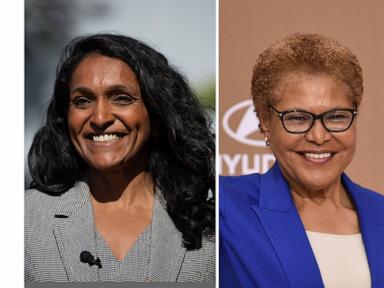
# LA Mayoral Rivals Face Off as City Confronts Homelessness Crisis and Economic Decline
Two Democratic candidates competing to lead Los Angeles will debate on stage days before voters receive mail ballots in what appears to be a closely contested race for the city's top office. The forum comes as the nation's second-largest city grapples with a homelessness crisis and job losses in its entertainment sector, two issues that will almost certainly dominate the campaign discussion.
The timing of the debate is critical. Mail ballots reach Los Angeles voters soon, meaning undecided voters have a narrow window to make their choice. In recent years, LA mayoral elections have tightened considerably, with races decided by thin margins. This suggests the debate could shift momentum for either candidate in the final stretch before Election Day.
Homelessness remains Los Angeles's defining crisis. The city's homeless population has swelled dramatically over the past decade, with tent encampments visible across downtown, Hollywood, and beach communities. Residents rank homelessness as their top concern in polling. Previous mayors have struggled to address the problem, and both candidates will face intense pressure to detail concrete solutions rather than offer vague promises.
The entertainment industry's decline in Hollywood compounds Los Angeles's economic challenges. The Writers Guild and Screen Actors Guild strikes last year highlighted deep fractures in the entertainment labor market. Beyond the labor disputes, streaming services have shifted production away from Southern California. Major studios have reduced headcount. The loss of entertainment jobs strikes at the heart of LA's identity and economy, affecting not just actors and writers but crews, support services, and the broader tax base the city depends on.
These twin crises come as Los Angeles faces a $10 billion budget shortfall over the next few years, according to city estimates. The next mayor will inherit a city facing fiscal pressure, public safety concerns, and a need to rebuild confidence that the government can function effectively.
The Democratic Party's dominance in Los Angeles politics means the primary debate essentially determines who becomes mayor. Republican candidates rarely win citywide office here. Both candidates will likely differentiate themselves on execution and competence rather than ideology, since both espouse progressive positions on homelessness and economic support.
The debate format allows each candidate to present their record and vision directly to voters before they cast ballots. Expect questions on specific funding mechanisms for homeless services, strategies to retain or attract entertainment industry jobs, and how the city will close its budget gap without massive tax increases or service cuts. The candidates may also clash over policing and public safety, another area where LA voters express frustration.
LA's political establishment is watching closely. City Council members, union leaders, and business groups have largely held back on endorsements, waiting to see how the race develops. A strong debate performance could accelerate endorsements in the final weeks.
The race reflects broader questions about whether Democratic cities can effectively govern during periods of crisis. Los Angeles voters appear restless. They want a mayor who can demonstrate results on visible problems like homelessness and who understands the economic pressures facing the region.