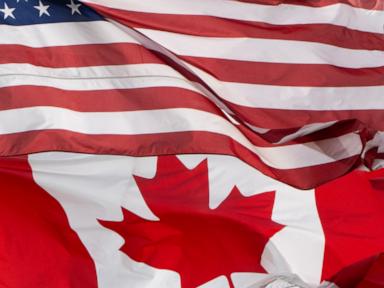
The Trump administration imposed tariffs on nearly $1 billion worth of Canadian imports beginning Tuesday, escalating trade tensions between the two neighboring countries. The ban targets motorcycles, alcoholic beverages, dairy products, and other goods in response to what U.S. officials characterize as unfair Canadian trade practices.
The tariffs represent the latest chapter in an increasingly contentious trade dispute between Washington and Ottawa. President Donald Trump has repeatedly criticized Canada's trade imbalance with the United States, arguing that Canadian tariffs on American agricultural products and other goods disadvantage U.S. businesses and workers. The administration framed the new duties as a corrective measure to level the playing field.
The affected imports include motorcycles, spirits like whiskey and other alcoholic beverages, cheese, yogurt, and various other dairy products. Canadian exporters now face higher costs when shipping these goods across the border, costs likely to be passed along to American consumers through higher retail prices. The tariffs apply immediately, with no grace period for adjustment.
Canada has signaled its intention to retaliate. Canadian officials have indicated they will impose their own countermeasures on American products, potentially including items from politically important states. Previous rounds of U.S. tariffs on Canada triggered swift Canadian responses targeting agricultural products from swing states, a strategy designed to pressure Congress and the Trump administration to reverse course.
The broader context involves longstanding disputes over dairy tariffs, softwood lumber, and digital services taxes. Canada has maintained that its policies comply with international trade rules established by the World Trade Organization. American negotiators counter that Canada uses non-tariff barriers to shield domestic producers from U.S. competition.
This latest move comes as Trump administration officials have repeatedly threatened additional tariffs against Canada, Mexico, and China. The president campaigned on reducing the U.S. trade deficit and has made protectionist measures a cornerstone of his economic policy. Canada, as America's largest trading partner and a NATO ally, occupies an unusual position in these negotiations. The countries trade roughly $800 billion in goods and services annually, making them heavily interdependent.
The dispute occurs against the backdrop of attempts to renegotiate the United States-Mexico-Canada Agreement (USMCA), which replaced the North American Free Trade Agreement (NAFTA) in 2020. Officials on both sides have suggested the three-nation pact may require updating to address issues like digital commerce and labor standards.
American industries dependent on Canadian inputs, including manufacturers who rely on imported components and retailers selling imported goods, have warned that tariffs disrupt supply chains and raise consumer prices. Some U.S. business groups have quietly pressed the administration to pursue negotiations rather than unilateral tariffs.
The timing of these tariffs reflects Trump's approach to trade policy. Rather than moving through formal trade dispute mechanisms at the WTO, the administration acts unilaterally under authority granted by Congress, moving quickly without extended negotiation periods. This strategy aims to demonstrate resolve but carries the risk of prolonged trade conflicts that harm both economies.
Canadian Prime Minister Justin Trudeau has called the tariffs unjustified and pledged a proportional response. The dispute underscores the fragility of the U.S.-Canada relationship despite decades of economic integration and security cooperation.