# Labour Leader Burnham Eyes Electoral Reform and Social Care Funding at Party Conference
Labour leader Andy Burnham has signaled plans to include proportional representation in the party's next election manifesto while proposing to scrap the pensions triple lock to finance a new social care system, according to statements emerging from Labour's party conference.
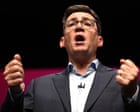
Burnham, delivering his first speech to the conference as Labour leader, framed the proposals as beneficial for older people despite the contentious nature of removing the triple lock mechanism. The triple lock currently guarantees that pensions rise annually by the highest of three measures: inflation, wage growth, or 2.5 percent.
Housing Secretary Angela Rayner confirmed Burnham's position on scrapping the triple lock during an appearance on Sky's Electoral Dysfunction podcast. Rayner endorsed the proposal, indicating it represents a necessary conversation about funding adult social care. She described Burnham as "absolutely right" to initiate this debate.
The dual policy announcements signal a significant shift in Labour's positioning ahead of the next general election. Proportional representation has long been a demand from smaller parties and electoral reform advocates, but it has faced resistance from the two major parties that benefit from the first-past-the-post system. Adding PR to Labour's manifesto represents a notable commitment to constitutional change.
The social care funding proposal touches a more immediate policy challenge. Britain's adult social care system has faced chronic underfunding and capacity problems for years. Local authorities have struggled to meet rising demand while budgets remain constrained. Burnham's proposal to create an "NHS-style care service" mirrors long-standing calls from health professionals and social care experts for a nationally integrated system comparable to the National Health Service model.
However, dismantling the triple lock presents political risks. Pensioners represent a substantial voting bloc, and any perceived threat to pension protections typically generates significant backlash. The triple lock has become a valued guarantee for retirement security since its introduction in 2010. Burnham framed the trade-off explicitly, positioning reduced pension growth as necessary to fund elderly care support for the broader population.
The timing of these announcements at the party conference serves multiple purposes. Burnham establishes his leadership authority by introducing major policy positions to party activists first. This approach builds internal consensus before public campaigns intensify. The conference setting also allows controlled messaging around potentially unpopular proposals.
Proportional representation appeals to Labour's activist base and younger voters who have supported electoral reform movements. Yet implementing PR would reshape Britain's parliamentary dynamics fundamentally. The current system produces clear single-party majorities more readily than proportional systems. Labour has traditionally resisted PR despite occasional activist pressure.
The social care proposal attracts support from health policy advocates while testing public receptiveness to pension trade-offs. Burnham's framing as a "good deal" for older people attempts to reposition the policy as protecting elderly welfare holistically rather than simply reducing individual pension payments.
These policy positions emerge as Labour prepares for the next electoral cycle. The manifesto decisions now being signaled will define Labour's platform when campaigning intensifies. Both proposals carry significant implementation challenges. Constitutional reform through electoral law changes requires parliamentary votes. Social care restructuring involves complex transitions affecting millions of beneficiaries and thousands of organizations.
Burnham's early manifesto positioning establishes him as a leader willing to address long-standing policy debates directly rather than deferring difficult choices.