# Broncos-Rams Game Marred by Controversial Officiating Calls and Player Conduct
A heated NFL matchup between the Denver Broncos and Los Angeles Rams featured multiple officiating decisions that sparked debate about game management and player conduct, culminating in cornerback Pat Bryant's candid acknowledgment of his actions on the field.
The game turned on several pivotal moments. A late flag thrown by officials drew immediate criticism from players and analysts who questioned the timing and necessity of the penalty. The infraction altered the game's momentum at a critical juncture, influencing the final outcome in a contest that remained competitive throughout.
Another controversial sequence involved an interception that officials negated through review or penalty, stripping the defense of what appeared to be a turnover. The decision to overturn or wipe the play added fuel to complaints that zebras had overstepped in their judgment calls during clutch moments.
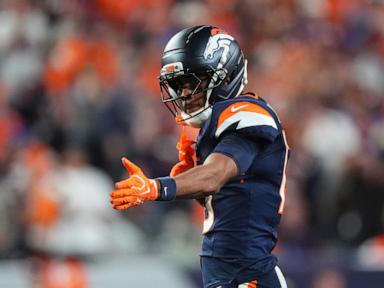
Perhaps most notably, Bryant's post-game candor set him apart from typical athlete deflection. Rather than minimizing his role in the disputed plays, the Broncos defender offered a blunt assessment of his own performance and conduct. Sports observers drew comparisons between Bryant's theatrical movements and established "floppers" in professional sports, players known for exaggerating contact or falling dramatically to draw penalties.
Bryant's willingness to acknowledge the characterization publicly represented a departure from standard damage control. Instead of issuing a sterile statement through team media relations or offering vague platitudes about "playing the game the right way," he addressed the flopping allegations head-on. His frankness suggested either confidence in his overall defensive contributions or frustration with the entire regulatory framework surrounding such plays.
The Broncos-Rams game exemplifies ongoing tensions between player behavior and official enforcement. NFL officiating crews face mounting pressure to police games consistently while allowing meaningful competition. When calls come late or appear questionable, they invite scrutiny not just of the officials but of the players involved.
The interception reversal similarly raised questions about the league's replay review process. Coaches and players have grown increasingly vocal about how technology and officials interact during these reviews. The margin between legitimate defensive play and penalizable conduct has narrowed, leaving defenders in precarious positions.
Denver and Los Angeles remain in pursuit of playoff positioning. Losses in close, controversial games carry weight in tiebreaker scenarios and playoff seeding. Both franchises have invested heavily in their rosters, making each game consequential for their seasons.
Bryant's directness in the post-game period may provide the Broncos organization a teaching moment about accountability and honest self-assessment. Whether the league views his conduct as problematic enough to merit further action remains unclear. The NFL has shown selective enforcement of on-field dramatics, sometimes warning players and occasionally issuing fines when behavior crosses perceived lines.
This thriller served as a reminder that officiating, player conduct, and technology intersect in ways that reshape game outcomes. Bryant's admission added transparency to an otherwise opaque moment, though questions about whether his actions crossed the line into unsportsmanlike territory will linger among fans and analysts.