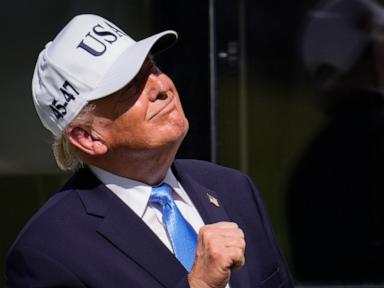
The Trump administration has launched a television advertisement funded by taxpayers that directly promotes Donald Trump's 2024 presidential campaign, marking an escalation in the White House's use of federal resources for campaign messaging ahead of midterm elections.
The ad, which began airing through government channels and platforms, represents the latest instance of the administration blending official government communications with campaign promotion. White House officials defend the practice by classifying these ads as "public service announcements" rather than campaign material, though the distinction carries legal and ethical implications for how federal dollars are deployed.
This approach sits in a legally gray area that has drawn scrutiny from government watchdog groups and opposition Democrats. Federal law generally prohibits the use of taxpayer money for campaign activities. However, administrations have historically argued that promoting the president's agenda and accomplishments constitutes legitimate government messaging. The Trump administration's lawyers likely contend that informing the public about administration policies and priorities falls within permissible bounds of government communication.
The timing matters politically. With midterm elections approaching, Republicans face pressure to boost turnout and party performance. Using government platforms to air pro-Trump messaging allows the administration to reach voters at minimal campaign cost. Traditional campaign channels like the Trump campaign's own committees must fund their own advertising, making taxpayer-funded alternatives a valuable resource.
This practice follows a pattern. The Trump administration has previously aired ads promoting the president's economic record, immigration policies, and other administration priorities using federal resources. Critics argue these ads serve double duty: they communicate policy information while simultaneously functioning as campaign advertisements that benefit Trump politically.
The Office of Management and Budget (OMB) and White House communications offices typically oversee such messaging. When questioned, White House officials maintain that these ads provide voters with factual information about government programs and policies. They argue that presidents have a responsibility to communicate their accomplishments to the public, and that doing so through efficient government channels represents prudent use of resources.
Democrats and government ethics advocates counter that the line between legitimate government communication and campaign advertising has become dangerously blurred. They point out that career government employees are effectively required to participate in campaign work without consent, and that taxpayers fund political messaging they may oppose.
Similar controversies emerged during the first Trump administration and have recurred under other presidencies. The practice remains contestable partly because enforcement mechanisms are limited. The Office of Special Counsel can investigate Hatch Act violations, which restrict federal employees' campaign activities, but determining whether an ad violates the act requires proving intent to influence elections rather than simply inform the public.
For the 2024 cycle, this tactic provides Trump's political operation with free media exposure while his campaign committees preserve funds for other purposes. The strategy allows the administration to maintain that taxpayer resources fund government communication while opponents argue that the practical effect amounts to illegally subsidizing campaign activity. The debate reflects broader tensions between executive branch authority to communicate and the legal constraints intended to prevent federal resources from supporting political campaigns.