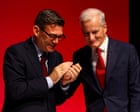
Andy Burnham took centre stage at the Labour Party conference this week, preparing to deliver his first keynote address as Prime Minister. The Manchester mayor-turned-national leader sat down with Guardian political editor Pippa Crerar for an extensive podcast interview, offering rare insight into his personal motivations and the policy agenda he intends to pursue.
Burnham's conversation with Crerar revealed an unusually emotional and reflective side of the Labour leader. He discussed the personal drivers behind his ascent to the top job and outlined the transformative changes he believes Britain needs. The interview struck a notably different tone from typical political grandstanding, focusing on substance over spin as Burnham heads into his conference speech.
The timing of this media engagement matters. Burnham's first conference address as Prime Minister serves as a critical moment to rally the party faithful and set expectations for his government's direction. Labour delegates gathered with palpable energy at the conference, creating momentum that party strategists hope to channel into legislative victories and public confidence.
Behind the scenes at the Labour conference, observers detected a tangible shift in atmosphere compared to the party's previous gatherings. Burnham's ascension represents a turning point after years of internal Labour divisions. His election to the top job signals a party consolidating around a unifying figure, though real tests lie ahead. The budget constraints facing any government will soon collide with campaign promises and activist expectations.
Burnham previously served as Mayor of Greater Manchester from 2017, building a reputation for regional devolution advocacy and social justice rhetoric. His path to Number 10 reflected Labour's desire to move beyond previous leadership, embracing a figure with executive experience and cross-party credibility. The Greater Manchester position provided a testing ground for policies he now champions nationally.
The podcast conversation previewed themes Burnham plans to emphasize during his conference keynote. Rather than focusing narrowly on Labour's recent electoral victory, his remarks touched on the values animating his political vision and the fundamental changes he believes his government must deliver. This framing suggests Burnham intends to use his conference speech to connect his personal story to broader national renewal.
The conference itself reflects Labour's current positioning. After years in opposition, the party confronts the immediate reality of governance. Budget pressures loom as the government prepares its spending decisions. Analysts note the gap between campaign rhetoric and fiscal reality will test Burnham's ability to maintain party unity while making necessary but unpopular choices.
Crerar's analysis of the conference identified what some observers call a "Burnham bounce," suggesting his leadership has provided Labour fresh political momentum. However, she noted that the bright atmosphere masks approaching difficulties. Difficult decisions on public spending, tax policy, and welfare spending will soon force uncomfortable trade-offs.
For Burnham, the week represents both opportunity and pressure. His conference speech allows him to define his premiership on his own terms before parliamentary business resumes and governance pressures mount. The emotional honesty displayed in his podcast interview suggests he intends to ground his leadership in personal conviction rather than purely tactical calculation.
The Guardian made the full interview available to readers, along with Crerar's detailed analysis of conference dynamics and political currents. The publication invited audience feedback and questions, maintaining ongoing conversation about Labour's direction and Burnham's vision for his government.