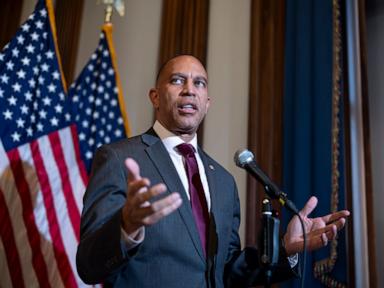
# House Democrats Prepare Aggressive Oversight Strategy Against Trump Administration
House Democrats are developing a comprehensive oversight plan targeting a potential Trump administration, with impeachment explicitly listed as a possible tool if the party wins control of Congress in November. The strategy reflects Democratic confidence in capturing the House majority while preparing aggressive accountability measures for a second Trump term.
The oversight agenda focuses on investigating administration conduct across multiple agencies. Democrats plan scrutiny of executive actions, personnel decisions, and adherence to constitutional limits on presidential power. Committee chairs designated for a Democratic House have already identified investigation priorities spanning health policy, financial regulation, environmental enforcement, and national security matters.
Impeachment remains on the table as a potential response to what Democrats characterize as potential abuses of power. Unlike the previous impeachment inquiries during Trump's first term, Democrats signal they would pursue removal proceedings only if they determine specific high crimes or misdemeanors occurred. The party leadership stresses that impeachment would not serve as a partisan cudgel but rather as a last resort following documented rule violations or constitutional breaches.
This planning intensifies existing partisan divides heading into the November election. Republicans have countered with their own investigation proposals targeting Biden administration officials, including Attorney General Merrick Garland and FBI leadership. Both parties anticipate divided government scenarios where one chamber investigates the other's executive branch allies.
Democratic oversight strategy includes empowering specific committees. The Judiciary Committee would likely lead investigations into executive overreach. The Intelligence Committee would examine national security decision-making. The Financial Services Committee would review Treasury and banking regulatory actions. Committee assignments already reflect Democratic priorities on these fronts.
The planning also addresses Trump's first-term actions. Democrats identify potential areas for investigation including the handling of classified documents, January 6 activities, financial conflicts of interest, and interactions with foreign governments. These represent extensions of ongoing prosecutions and investigations by special counsel Jack Smith and state authorities.
House Minority Leader Hakeem Jeffries has emphasized that oversight duties require Democratic majorities prepared for rigorous accountability. Democratic caucus members stress they seek constitutional fidelity rather than political revenge, though Republicans dismiss this characterization as naive given past partisan investigations.
The approach contrasts sharply with Republican oversight philosophy. GOP members have promised investigations into Hunter Biden, federal law enforcement conduct, and alleged administrative weaponization against conservatives. House Speaker Mike Johnson signaled Republicans would use subpoena power aggressively if they retain the majority.
Democrats also prepare for scenarios where Trump appoints controversial cabinet nominees or pardons allies from his first term. Committee Democrats draft questioning strategies and prepare to block or delay confirmation votes on nominees they deem unqualified or conflicted.
Senate Democrats pursue parallel preparation. If Democrats control the Senate alongside a Republican House, they can block confirmations and conduct their own investigations through committees. Conversely, Republican Senate control would shield Trump from Democratic investigative reach while enabling GOP investigations into Democratic officials.
The oversight planning extends to defending existing Democratic priorities. Democrats prepare arguments defending investigations into January 6, abortion restrictions, and voting rights enforcement. They anticipate Republican efforts to redirect federal law enforcement toward Democratic targets and plan defensive strategies.
Democrats frame this oversight agenda as constitutional responsibility rather than partisan retaliation. Whether voters accept this distinction shapes how aggressively either party pursues investigations following the November outcome.