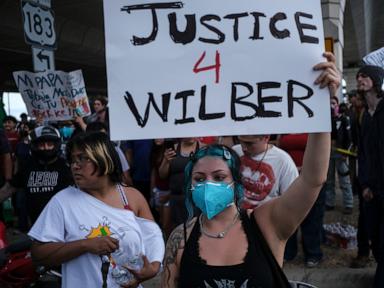
# City Council Candidate Arrested Over ICE Protest Participation
A Texas city council candidate faces a misdemeanor "riot participation" charge stemming from involvement in a protest against Immigration and Customs Enforcement operations, according to ABC News Politics. The arrest underscores the widening legal consequences for protest activity and raises questions about how local authorities pursue charges related to demonstrations.
The candidate's arrest reflects a pattern of law enforcement pursuing protest-related charges that have become increasingly common across U.S. cities. Misdemeanor riot charges carry potential jail time and fines, and a conviction could complicate or derail a political campaign.
The specific circumstances surrounding the protest remain fluid in reporting, but riot participation charges typically require prosecutors to prove the defendant participated in a public disturbance involving three or more people where at least one person acted violently or displayed weapons with intent to commit violence. Texas law defines participation broadly, which has led to criticism from civil rights groups who argue the statute chills free speech and assembly rights.
ICE protests have drawn participants from immigrant rights advocates, religious organizations, and progressive activists nationwide. Demonstrations at ICE facilities have sometimes resulted in confrontations with law enforcement, though many protests remain peaceful. The decision to arrest this particular candidate months or years after a protest suggests either new evidence emerged or authorities elevated their investigation into specific participants.
The timing of the arrest relative to the candidate's campaign timeline matters politically. If the candidate is running for an open seat or challenging an incumbent, the arrest and resulting court proceedings inject legal drama into a local race. In some cases, candidates have survived protest-related charges and won election. In others, charges have proven politically damaging enough to force withdrawals or losses.
The candidate's legal defense will likely center on whether they participated in actual riots, violence, or property destruction, versus simply attending a lawful protest. Defense attorneys in similar cases argue that presence alone should not constitute criminal participation. Prosecutors counter that certain acts during protests, even minor ones, signal knowing participation in a riot.
This case sits at the intersection of three consequential areas: protest rights, immigration enforcement, and local politics. How Texas courts handle it could influence both how future protests are policed in that jurisdiction and the political viability of protest participation as a disqualifying factor in local races.
The candidate's response to the charge will likely shape their campaign messaging. Some candidates have embraced protest participation as evidence of commitment to their community. Others have distanced themselves from allegations of unlawful conduct. The specific facts of the case, including whether any violence occurred and the candidate's precise actions during the demonstration, will determine both the legal and political fallout.