Senator Ted Cruz of Texas intensified Republican attacks on Muslim Americans this week, using the party's midterm convention as a platform to declare that Sharia law "has no place in America." The remarks sparked immediate pushback from Muslim advocacy groups and Democratic lawmakers who accused Cruz and other Republican candidates of stoking religious prejudice for electoral gain.
Cruz's statement reflects a broader Republican strategy emerging ahead of the midterm elections. Multiple GOP politicians have revived anti-Sharia messaging, a tactic that gained prominence during the 2016 presidential cycle but had largely faded from mainstream political discourse. The renewed focus on Islamic law represents a deliberate attempt to energize conservative voters by portraying Muslim Americans as threats to American legal institutions.
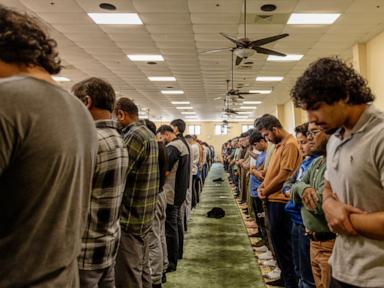
Muslim American organizations swiftly condemned the remarks. The Council on American-Islamic Relations and other civil rights groups issued statements asserting that American Muslims support the Constitution and secular law. They characterized Cruz's comments as inflammatory and factually misleading, noting that Muslim Americans have consistently rejected extremism and affirmed their commitment to American democracy.
The political calculus behind this strategy reflects Republican efforts to mobilize their base before November's elections. By amplifying cultural grievances and religious anxiety, GOP candidates attempt to shift voter focus away from economic concerns and toward identity issues where Republicans believe they hold messaging advantages. Cruz's intervention at the convention suggested party leadership endorsement of this approach.
Democratic leaders and their Muslim American allies have framed the Republican rhetoric as xenophobic fear-mongering. They argue that anti-Sharia messaging misrepresents both Islam and American law, creating false equivalencies between immigrant communities and terrorist ideologies. Several Democratic candidates have highlighted Republican statements as evidence of discrimination and called for stronger protections against religious intolerance.
The timing proves strategically significant. With midterm elections approaching, both parties compete for suburban and urban voters where Muslim American communities hold electoral influence. Republicans hope cultural conservatism resonates; Democrats counter that such rhetoric alienates voters and reveals disrespect for religious minorities. Muslim American voter organizations have signaled plans to mobilize voters against candidates advancing anti-Muslim messaging.
Historical context matters here. Anti-Sharia campaigns gained traction after 9/11 and peaked during the 2016 election cycle when Donald Trump and other Republicans made Muslim immigration and religious identity central campaign themes. The current revival suggests Republican strategists believe similar messaging can drive turnout among their conservative base, despite demographic trends showing Muslim Americans increasingly active in electoral politics.
Cruz represents a faction within Republican politics that prioritizes cultural conservatism and religious nationalism. His convention speech signals that elements of the GOP continue viewing Muslim Americans with suspicion rather than embracing religious pluralism. This approach contrasts with Republicans who emphasize economic policy and downplay cultural divisiveness.
The controversy underscores a fundamental divide in American political discourse about immigration, religious identity, and national belonging. Muslim Americans, numbering roughly 3.5 million citizens, increasingly assert themselves as full participants in American civic life. Republican efforts to portray them as incompatible with American values trigger backlash from civil rights advocates and Democratic allies who defend religious freedom protections. The election cycle will reveal whether anti-Sharia messaging mobilizes sufficient conservative voters to offset potential alienation of independent and moderate voters.