# Skyrocketing Diesel Prices Rattle Republicans as Midterms Approach
Diesel prices have climbed to record highs, creating political headwinds for Republicans heading into the midterm elections. The spike stems from intensifying Middle East conflict, which has disrupted global energy supplies and pushed fuel costs across the country to their highest levels in years.
The price surge affects rural America disproportionately. Farmers depend on diesel to power tractors, harvesters, and transportation equipment. Rural residents rely on the fuel for heating and transportation in areas with limited public transit. These constituencies form the electoral backbone of Republican strongholds, and rising costs directly impact their household budgets and farm operations.
Diesel prices began their climb as tensions escalated in the Middle East. The conflict disrupted oil production and shipping routes, tightening global energy supplies. American refineries, already operating near capacity, struggled to meet demand. Wholesale prices spiked, and retailers passed costs to consumers at the pump. In some regions, diesel exceeded five dollars per gallon, a level unseen outside the 2008 financial crisis.
Republicans face a political bind. The party has traditionally positioned itself as pro-business and pro-energy expansion. Midterm candidates in rural districts now confront voters angry about fuel costs eating into farm profits and household budgets. Democrats blame Republicans for opposing renewable energy investments that could reduce oil dependence. Republicans counter that Biden administration policies restricting domestic drilling contributed to the price surge.
The timing proves damaging. Midterms typically turn on voter dissatisfaction with the sitting president's party. High fuel prices reinforce narratives about economic distress. In swing states with significant agricultural sectors, diesel costs become a ballot-box issue. Rural Ohio, Iowa, and Wisconsin voters watch fuel pump prices daily, translating economic anxiety into electoral motivation.
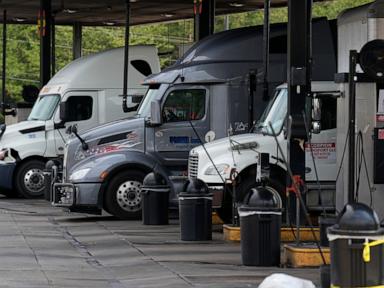
The impact extends beyond farms. Trucking companies face higher operating costs, which they pass to shippers and consumers. Construction firms, landscapers, and heating oil distributors all experience margin compression. Small business owners in rural areas cite diesel costs as a top concern. This ripple effect broadens the constituency affected by the price spike.
Energy analysts project prices will remain elevated unless Middle East tensions ease or American refineries boost production. The Strategic Petroleum Reserve drawdowns authorized by the Biden administration provide some relief but cannot single-handedly reverse market trends driven by geopolitical disruption.
Republican candidates emphasize energy independence and domestic production expansion. They argue for faster permitting of new drilling operations and pipeline infrastructure. Democrats highlight that oil is a global commodity priced on international markets, meaning no single administration controls domestic prices absent massive supply shocks.
The diesel crisis illustrates how international conflict translates into domestic politics. As midterm elections approach in weeks, rural voters hold genuine grievances about fuel costs regardless of competing explanations for their cause. Republicans seek to harness this frustration into gains in rural areas and swing districts. Whether fuel prices remain at elevated levels through election day will influence turnout and voting patterns in regions where diesel dependency runs deep.