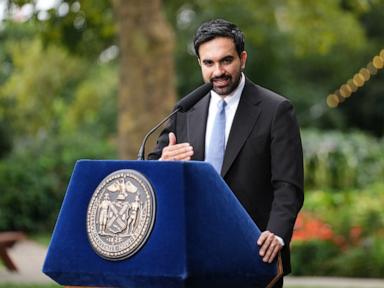
# Republicans' Midterm Strategy Against Mamdani Faces Trump Complication
Republican strategists planned to weaponize New York City Mayor Zohran Mamdani ahead of the 2024 midterm elections, positioning the democratic socialist as a symbol of left-wing radicalism. That strategy encountered an unexpected obstacle when President Donald Trump publicly voiced support for Mamdani, complicating GOP efforts to paint him as a dangerous extremist.
Mamdani, who represents a heavily Democratic district in New York and has built a national profile championing progressive causes, emerged as a natural target for Republican midterm messaging. Conservative operatives viewed him as an effective bogeyman figure. A self-described democratic socialist with a vocal platform on healthcare, housing, and wealth inequality, Mamdani fit the archetype Republicans sought to highlight when arguing that Democrats had lurched too far left.
The calculation was straightforward. By elevating Mamdani's profile and linking mainstream Democrats to his more radical positions, Republicans believed they could energize their base and persuade moderate swing voters that Democratic governance threatened economic stability. This approach mirrors past GOP strategies of using prominent progressive figures as foils in campaign messaging.
Trump's unexpected endorsement disrupted this carefully calibrated plan. By expressing support for Mamdani, the former president undercut the Republican narrative that the mayor represents dangerous extremism warranting rejection at the ballot box. The endorsement created dissonance within GOP circles, forcing operatives to recalibrate their midterm attack strategy.
The timing compounds the complication for Republicans. With the midterm cycle already underway, campaign infrastructure and messaging frameworks have been largely set. Trump's statement forces a recalibration of talking points that many campaigns had already distributed to field operatives and media surrogates.
Mamdani's political positioning makes him both an asset and liability for Democrats. His grassroots organizing skills and genuine connection with progressive voters energize the Democratic base in New York City. Yet his democratic socialist label and confrontational rhetoric on economic issues provide ammunition for Republicans seeking to depict the Democratic Party as captured by radical elements.
The dynamic reflects broader tensions within Republican strategy heading into midterms. Trump's unpredictable positions and willingness to break from party orthodoxy periodically undermine coordinated GOP messaging. While party leadership attempts to maintain messaging discipline around key figures and issues, Trump's independent communication often contradicts or complicates those efforts.
For Democrats, Trump's support for Mamdani presents an opportunity. The endorsement muddies Republican attacks and allows Democrats to argue that even Trump recognizes Mamdani's legitimacy as a leader. This could inoculate the mayor against future GOP criticism while potentially creating internal divisions among Republicans about appropriate midterm targets.
The episode illustrates how midterm campaign strategy remains fluid and contingent on unexpected developments. Republican operatives must now determine whether to persist with anti-Mamdani messaging despite Trump's complication, or pivot to alternative figures and narratives for their midterm offensive. Either choice involves costs. Continuing the attack risks contradicting Trump, while abandoning it surrenders a planned line of attack.