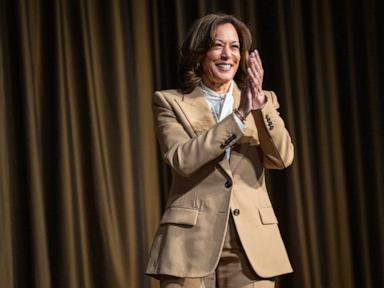
Kamala Harris plans to campaign in Michigan for Abdul El-Sayed, the Democratic Senate candidate seeking to unseat Republican incumbent Peter Meijer in a race shaping up as one of the 2026 cycle's most competitive contests.
Harris's decision to boost El-Sayed reflects the Democratic Party's effort to energize its progressive base ahead of the midterm elections while simultaneously targeting a seat Republicans currently hold. El-Sayed, a physician and former Michigan health department director, has built his campaign around healthcare access, workers' rights, and economic inequality. His candidacy appeals directly to the progressive wing of the Democratic Party that Harris has worked to cultivate since launching her own political comeback following her 2024 presidential campaign loss.
The Michigan Senate race carries outsized political weight. Meijer, a Republican congressman, holds the seat in a state that has become increasingly purple. Michigan's political trajectory often mirrors national trends, making it a bellwether for which party maintains momentum heading into 2026. Democrats view El-Sayed as their strongest candidate to flip the seat and narrow the Republican Senate majority, which currently stands at 53 to 47.
El-Sayed's progressive positioning distinguishes him within Michigan's Democratic primary, where he competes against other candidates vying for the party's nomination. His focus on healthcare reform carries personal weight given his medical background and his tenure running Michigan's Department of Health and Human Services. He previously ran for Michigan governor in 2018, building name recognition and an organized campaign infrastructure that carries forward into this Senate race.
Harris's involvement signals that national Democratic leadership sees El-Sayed as a viable nominee worthy of party resources. Her campaign appearance will likely draw media attention, boost fundraising, and energize volunteer networks. Harris remains one of the Democratic Party's most recognizable figures among progressive voters and younger Democrats, constituencies El-Sayed needs to activate in a primary contest.
The timing of Harris's campaign push comes as Democrats navigate a complex political environment. President Joe Biden's approval ratings have fluctuated, creating both opportunities and challenges for Democratic candidates. Harris's popularity among the Democratic base provides value independent of Biden's standing, making her an asset for downballot races where Democrats need to maximize turnout and enthusiasm.
Meijer, the incumbent, represents a moderate Republican branch increasingly endangered by his party's rightward shift. He has occasionally broken with Republican leadership on votes, positioning himself as a pragmatist rather than a partisan warrior. This creates an opening for Democrats to frame El-Sayed as more aligned with average Michigan voters' priorities on healthcare and the economy compared to Meijer's record.
The 2026 Senate map presents both challenges and opportunities for Democrats. They must defend numerous seats in Republican-leaning states while simultaneously targeting vulnerable Republicans in purple states like Michigan. El-Sayed's campaign, bolstered by Harris's endorsement and campaign presence, positions Democrats to make gains in Michigan while shoring up their Senate majority prospects.