# Harris Launches 2026 Midterm Push While 2028 Decision Hangs Unresolved
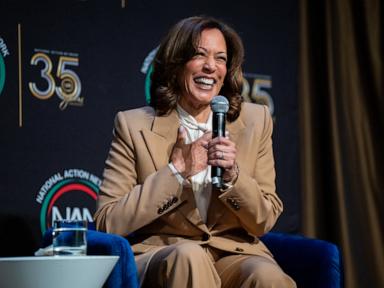
Vice President Kamala Harris has begun an active campaign schedule for the 2026 midterm elections, appearing at events alongside Democratic candidates including Michigan Senate nominee Abdul El-Sayed. The move positions Harris as a central figure in Democratic efforts to maintain or expand their Senate majority, even as questions about her own political future remain unresolved.
Harris's midterm engagement serves multiple functions for the Democratic Party. Her presence at campaign rallies energizes the party base, particularly among young voters and communities of color that proved decisive in recent elections. The vice president's visibility also allows her to build relationships with state-level candidates and party infrastructure ahead of potential future runs for higher office.
The timing of Harris's midterm involvement comes against the backdrop of her unannounced plans for 2028. While President Joe Biden has indicated he will not seek reelection, Harris has not formally declared whether she will pursue the presidency in four years. This ambiguity creates strategic complexity for the party. Her midterm campaigning allows her to maintain political momentum and strengthen her standing with Democratic voters and elected officials without committing to a 2028 bid.
El-Sayed, Harris's Michigan campaign partner, represents the type of younger, progressive-leaning Democrat the vice president has aligned with throughout her political career. Michigan stands as a critical swing state in presidential elections, making Harris's presence there particularly valuable for both the state party and her own political positioning. The partnership also signals Harris's willingness to campaign actively for candidates who reflect her policy priorities.
Harris's 2026 strategy mirrors patterns used by other vice presidents facing open presidential fields. By campaigning across states and building goodwill among Democratic candidates, Harris accumulates political capital while avoiding the appearance of neglecting her vice presidential duties or prematurely launching a presidential campaign.
Senate control in 2026 presents genuine stakes for Democrats. The party currently holds a narrow majority, and historical patterns suggest the party in power often loses seats in midterm elections. Harris's campaigning efforts contribute to Democratic efforts to prevent significant losses or potentially gain seats in a favorable electoral environment.
The vice president's involvement in midterms also carries implicit signals to Democratic primary voters about her viability as a potential 2028 candidate. Active midterm participation demonstrates her ability to draw crowds, fundraise for the party, and maintain standing among state Democratic organizations. These metrics influence how party delegates and voters perceive candidates when primary season arrives.
Harris's schedule reflects her dual role within the Biden administration and within the Democratic Party's broader electoral ecosystem. She remains bound by the constraints of holding national office while simultaneously building the relationships and political profile that could serve her in a future presidential contest.
The vice president has not announced a timeline for revealing her 2028 intentions. Her midterm activities suggest she will maintain maximum flexibility on that decision while remaining visible and engaged throughout the 2024-2026 cycle. This approach allows Harris to avoid locking herself into a commitment before assessing the political landscape and party dynamics that will shape the next presidential race.