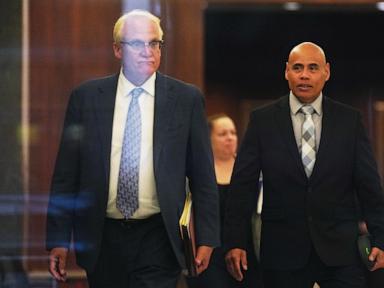
A federal Immigration and Customs Enforcement officer has entered a not guilty plea to charges that he deliberately misled FBI investigators about the circumstances surrounding a shooting he fired during an immigration enforcement operation in Minneapolis.
The ICE officer faces federal charges for allegedly fabricating details about being attacked prior to shooting and wounding a Venezuelan man. The incident occurred during a broader immigration crackdown in the Minneapolis area. Federal prosecutors allege the officer provided false statements to the FBI regarding the sequence of events that led to the shooting.
The case centers on whether the officer's account of being attacked and acting in self-defense matches evidence collected by federal investigators. False statements to federal law enforcement represent serious charges that carry potential prison time and professional consequences for the officer involved.
This case reflects broader tensions around immigration enforcement operations and use of force by federal agents. ICE enforcement actions have faced increased scrutiny in recent years, particularly regarding incidents where officers use weapons against civilians. The shooting of a Venezuelan national during an enforcement operation adds another layer to concerns about how immigration enforcement intersects with community safety.
The not guilty plea indicates the officer disputes the government's allegations. Defense arguments may center on the credibility of witnesses, interpretation of evidence, or claims that the officer's initial statements reflected honest mistakes rather than intentional deception. The distinction between lying and misremembering becomes legally significant in federal cases involving false statements.
The incident appears to have drawn FBI investigation rather than remaining solely within ICE's internal discipline structure. This suggests federal prosecutors determined potential criminal misconduct occurred that went beyond typical employment issues. When federal agents face criminal charges, the cases often proceed through federal district courts with heightened scrutiny given the authority these officials wield.
Minnesota has witnessed multiple high-profile incidents involving law enforcement use of force. The Minneapolis setting carries particular weight given the city's recent history with officer-involved shootings and subsequent national conversations about police accountability and training.
The Venezuelan man who was wounded has not been identified publicly in available reports, though the fact pattern suggests he may have been the target of immigration enforcement. Questions likely surround whether force was necessary during the encounter and whether the officer's account of events accurately describes what transpired.
The federal charges represent the government's response when law enforcement officials allegedly obstruct investigations by providing false information. If convicted, the officer could face prison time in addition to the loss of his federal position. The case will proceed through federal court with discovery processes that may reveal body camera footage, witness statements, and forensic evidence related to the shooting.
The not guilty plea sets the stage for either trial or potential plea negotiations as the case progresses. Federal prosecutors will need to prove beyond a reasonable doubt that the officer knowingly made false statements to federal investigators. The outcome will likely influence how ICE handles similar incidents and whether additional scrutiny of immigration enforcement operations in Minnesota emerges.