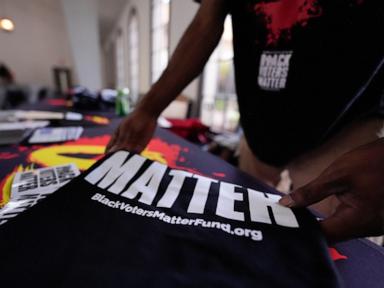
Major left-leaning voter engagement groups are cutting staff and scaling back operations due to severe funding shortfalls heading into the midterm elections, raising concerns about their ability to mobilize voters in a crucial political moment.
Organizations focused on voter turnout and racial justice work have reported budget crises that force difficult choices about where to deploy limited resources. The groups, among the nation's largest progressive outreach operations, typically play decisive roles in reaching young voters, Black voters, Latino voters, and other Democratic-leaning constituencies during high-stakes elections.
The funding squeeze reflects broader challenges facing progressive infrastructure after the 2020 presidential cycle. Major donors who poured money into defeating Donald Trump have shifted priorities or reduced spending. Foundation grants have tightened. Individual donors moved on to other causes. Unlike Republican-aligned groups backed by wealthy benefactors and Super PACs with sustained funding sources, many progressive voter mobilization organizations operate on project-based budgets that rise and fall with election cycles.
Staffing cuts mean fewer organizers on the ground in key states and districts. Reduced budgets translate to smaller phone banking operations, fewer door-knockers, and limited digital advertising capacity. These operations matter enormously in close races. A 2 or 3 percent swing in turnout among young voters or voters of color can determine outcomes in competitive House and Senate races.
The timing intensifies the problem. Early 2022 polling showed Democrats facing a historical midterm wave typically favoring the party out of power. Without robust voter mobilization infrastructure, Democrats risk losing voters who need extra encouragement to cast ballots in non-presidential years. Midterm turnout consistently runs 10 to 15 percentage points lower than presidential election turnout, and the groups facing cuts specifically target sporadic voters most vulnerable to staying home.
Republican groups face different funding dynamics. Conservative Super PACs, funded by corporate interests and wealthy donors like the Koch network, maintain steadier capital flows. Republican National Committee infrastructure also benefits from consistent party investment. This structural advantage in midterm funding could compound Democrats' natural disadvantage in a midterm environment.
The funding crisis also reflects deeper ideological and strategic divisions within progressive politics. Some donors prioritized funding grassroots racial justice work after the George Floyd protests. Others focused on protecting voting access through litigation. Still others backed new organizations competing for the same donor dollars. This fragmentation left established voter engagement groups vulnerable when funding priorities shifted.
Without adequate resources, these organizations cannot maintain the year-round presence necessary for effective mobilization. Staff departures mean loss of institutional knowledge and community relationships. Local capacity takes years to rebuild once dismantled.
The funding shortfalls underscore a fundamental Democratic vulnerability. The party relies heavily on high-engagement, high-turnout coalition politics. Republicans can win with lower overall turnout concentrated in their base. When Democratic voter mobilization groups lack resources, the entire party's electoral strategy suffers. The 2022 midterms will test whether Democrats can overcome this funding disadvantage through other means or whether their infrastructure gap proves decisive.