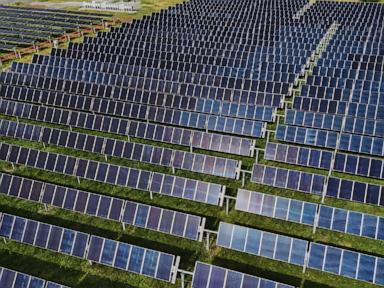
A federal judge in Rhode Island dealt a significant blow to Trump administration environmental policy by ruling that the Environmental Protection Agency illegally terminated a $7 billion Solar for All program designed to expand solar energy access to lower-income households across the nation.
The program, established under the Biden administration, targeted over 900,000 Americans in disadvantaged communities who otherwise could not afford renewable energy installations. The initiative represented one of the largest federal investments in residential solar infrastructure aimed at closing the clean energy gap between wealthy and poorer neighborhoods.
The Trump administration moved to cancel the program shortly after taking office, citing concerns about government spending and redirecting resources toward other priorities. EPA leadership argued the solar initiative exceeded the agency's statutory authority and represented an inefficient use of federal funding. The administration framed the termination as part of a broader effort to reduce what it characterized as wasteful environmental spending and to shift energy policy toward market-based solutions rather than direct government subsidies.
The Rhode Island federal judge rejected these arguments, concluding the EPA lacked legal justification for the abrupt termination. The ruling found the agency failed to follow proper administrative procedures required before eliminating an established program. Under the Administrative Procedure Act, federal agencies must provide reasoned explanations for significant policy changes and cannot simply abandon programs without documented analysis.
This decision carries substantial implications for the Trump administration's environmental agenda. Multiple other EPA initiatives face legal challenges, and this ruling establishes a precedent that the administration cannot simply eliminate programs through executive action without adhering to statutory requirements. Environmental groups praised the decision as a protection for lower-income communities who stood to lose direct benefits from the solar investment.
The Solar for All program represented a centerpiece of Biden administration climate policy, distributing funding to states and nonprofits for community solar projects and rooftop installations in underserved areas. Supporters noted that low-income households often lack access to capital needed for solar installation, despite potential long-term energy savings. The program also created employment opportunities in the green energy sector within disadvantaged communities.
The ruling does not automatically restore the program's full funding. Instead, it likely forces the EPA to either reinstate it, provide legally sufficient reasoning for its termination, or negotiate a resolution through appeal. The Trump administration faces a choice between defending the cancellation in court with more detailed justification or reversing course on the initiative.
The decision reflects broader tension over how far presidential administrations can go in dismantling predecessor policies. Courts have increasingly scrutinized rapid reversals of established programs, requiring agencies to explain why previous positions were wrong rather than simply asserting new priorities.
Environmental advocates signaled they would push for full restoration of the Solar for All program's funding and scope. Renewable energy industry groups also supported the ruling, noting that the program supported manufacturing jobs and market growth for the solar sector.
The case may proceed to appeal, potentially reaching higher courts where questions about executive authority and environmental policy will receive further examination.