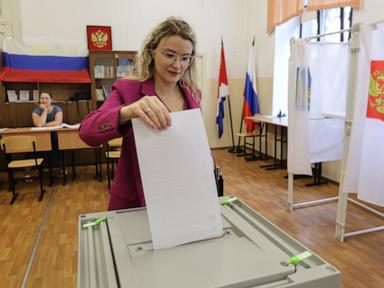
Russia opened voting Friday in a three-day parliamentary election designed to solidify President Vladimir Putin's control of the legislature while the country remains at war in Ukraine. The election runs through Sunday and marks the first such vote conducted during active military conflict since the Soviet invasion began in February 2022.
The timing carries political weight. Putin's United Russia party, which controls roughly two-thirds of the State Duma, faces no genuine competition. The Kremlin has systematically eliminated opposition candidates through legal harassment, forced exile, or outright bans. Independent candidates and opposition parties that once provided theatrical debate have vanished from ballots or abandoned participation.
Election officials expect another supermajority for United Russia, Putin's dominant political vehicle. The party functions as the Kremlin's legislative rubber stamp, passing whatever laws the presidential administration proposes. A stronger majority could allow Putin to pursue constitutional changes or push through additional security measures tied to the Ukraine war.
The election backdrop involves sustained warfare and economic sanctions. Russia has suffered documented military losses, mobilization of civilians into armed forces, and brain drain as Russians flee the country. Yet the government presents the vote as routine governance. Officials deny any irregularities despite international monitors being excluded and domestic election observers facing restrictions.
The three-day voting window extends access beyond a single polling day, a practice critics say facilitates manipulation. Allowing extended voting periods increases opportunities for coercion of voters in workplaces, state institutions, and military units. Russian workers have reported pressure from employers to cast ballots publicly, undermining ballot secrecy.
Other Kremlin-friendly parties including the Communist Party and the Liberal Democratic Party participate in controlled opposition roles, creating appearance of electoral pluralism without substance. These parties rarely challenge major Kremlin initiatives and serve to fragment anti-government votes among those who might support genuine alternatives.
The Duma holds limited power compared to Putin's presidency. The legislature cannot dismiss the president, initiate legislation independently without Kremlin approval, or block major policy decisions. Recent years saw Putin shift more authority to his security apparatus and regional governors, reducing parliamentary relevance. Yet controlling the Duma allows the Kremlin to pass laws swiftly and project democratic legitimacy to international audiences.
Western governments have largely dismissed the election as undemocratic. The Biden administration condemned restrictions on opposition participation. European officials noted exclusion of independent monitors as evidence the vote lacks credibility. These statements carry symbolic weight only, as Russia faces no electoral consequences from Western criticism.
Domestic dissent remains muted. Independent media outlets operate under severe constraints. Antiwar sentiment exists within Russia but organizing political opposition carries legal risks. Criminal charges under expanded extremism laws have targeted Putin critics, making organized electoral challenges essentially impossible.
The three-day voting format concludes Sunday. Results announcement will likely come Monday, with United Russia's victory treated as foregone conclusion by Russian state media and officials. International observers will dismiss the election's legitimacy while Russia's government declares democratic endorsement of its leadership and continued war effort.