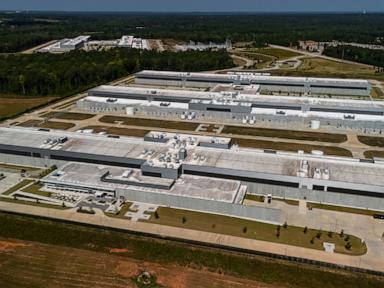
# House Passes Bill to Make AI Data Centers Pay for Energy Costs
The House of Representatives approved legislation requiring artificial intelligence data centers to cover their substantial electricity consumption costs rather than passing those expenses to general ratepayers.
The bill targets a growing concern among lawmakers on both sides of the aisle. Data centers powering AI applications consume enormous amounts of electricity. Without cost accountability mechanisms, utilities absorb these expenses and distribute them across all customers, effectively subsidizing tech companies while raising rates for residential and small business users.
House members framed the measure as consumer protection. As AI deployment accelerates, data center energy demands have surged dramatically. Industry analysts project these facilities will account for an increasing share of total U.S. electricity consumption in coming years. The bill ensures that tech companies investing in AI infrastructure bear the financial responsibility for their energy footprint rather than shifting costs to ordinary Americans.
The legislation addresses a genuine market distortion. When data center operators do not face the full cost of electricity consumption, they lack incentive to invest in energy efficiency or renewable power. The bill creates direct accountability, making operational costs transparent and encouraging companies to minimize waste or transition to cleaner energy sources.
Tech industry representatives expressed mixed reactions. Some large companies with existing commitments to renewable energy pledged support, arguing the bill aligns with their sustainability goals. Smaller AI startups raised concerns about increased operational costs potentially affecting competitiveness or delaying expansion plans.
Utility companies also weighed in on the debate. Some welcomed cost certainty and direct payment arrangements with data center operators. Others worried the bill could accelerate their energy transition costs or create billing complications for managing different customer classes.
The bill's passage reflects broader congressional focus on AI governance and energy reliability. Lawmakers recognize that AI development carries infrastructure implications beyond technology policy. Energy grids face unprecedented demand growth, and funding mechanisms affect both innovation and affordability for everyday consumers.
Environmental groups supported the measure, viewing it as creating market incentives for renewable energy adoption. If data centers must pay their full energy costs, companies have stronger motivation to power operations with wind, solar, and other clean sources rather than drawing from traditional grids.
The bill now moves to the Senate for consideration. Passage is not guaranteed. The upper chamber may impose modifications or face pressure from states with significant data center development. Some senators worry strict cost allocation could discourage AI investment in their regions or reduce tax revenue from tech companies.
Implementation will require coordination between federal regulators, state utility commissions, and data center operators. Questions remain about billing mechanisms, transition timelines, and how rules apply to existing facilities versus new construction.
The House vote demonstrates that AI regulation extends beyond content moderation and labor concerns. Energy infrastructure and cost allocation directly affect consumers and merit legislative attention. As data centers multiply across America, accountability for their resource consumption becomes central to balancing innovation with affordability.