# Big Ten Stumbles in Week 2 as Texas Stuns Ohio State, Oklahoma State Upsets Oregon
The Big Ten Conference absorbed significant damage in Week 2 of the college football season, with two marquee programs collapsing against their opponents and handing momentum to the Southeastern Conference.
Ohio State's loss to Texas stands out as the week's most dramatic collapse. The Buckeyes controlled the game for much of the first half, building a 20-point advantage. Texas mounted a furious second-half comeback to claim victory, a result that reshapes the early narrative around the Big Ten's national championship prospects. Ohio State enters every season as a playoff contender, but surrendering a 20-point lead signals defensive vulnerabilities that will concern head coach Ryan Day heading into conference play.
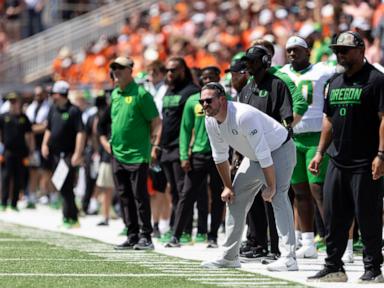
Oregon's upset loss to Oklahoma State compounds the Big Ten's Week 2 problems. The Ducks, fresh off their move to the Big Ten from the Pac-12, failed to protect their position against the Cowboys. Oklahoma State entered the game as an underdog, making the result all the more jarring for a program expected to compete immediately in its new conference home.
These losses carry real consequences for conference strength metrics and playoff seeding conversations. Early-season results matter less than November outcomes, but they establish trajectories. A Big Ten that struggles in non-conference play enters conference matchups with less margin for error.
The SEC benefits directly from these outcomes. Texas, an SEC program, now owns a signature win against a top-tier opponent. That credential matters when selection committees evaluate teams in December. Oklahoma State carries Big 12 colors, but the fact that a non-SEC team defeated an SEC-bound Big Ten program still reflects poorly on Big Ten prestige.
The Ohio State program has survived worse starts. The Buckeyes' talent level remains elite, and one Week 2 loss does not derail seasons built on sustained excellence. However, the manner of the loss matters. Surrendering a commanding lead suggests execution problems rather than talent deficits. Day's offense must prove it can maintain leads in high-pressure moments.
Oregon's situation presents different challenges. The program transitions to the Big Ten after decades in the Pac-12, and early losses to non-Power 4 opponents undercut the narrative that the Ducks join the Big Ten as an immediate contender. Coach Dan Lanning's job security improves or deteriorates based on conference performance, and a loss like this against Oklahoma State creates doubt about whether Oregon belongs at the Big Ten's top tier.
Other Big Ten programs will monitor these results. If Ohio State and Oregon struggle, the conference's national standing weakens. Television ratings, recruiting rankings, and playoff seeding all tie to how the Big Ten's traditional powers perform. Teams like Penn State, Michigan, and Wisconsin benefit from Ohio State and Oregon stumbling early, as conference championships become more accessible.
The Big Ten still has time to recover. Ohio State faces a manageable schedule before conference play begins, and Oregon will seek revenge opportunities. Texas's win proves the SEC recruits championship-caliber talent, but the season extends through November. These Week 2 results matter as data points, not final verdicts. Still, Big Ten programs now face pressure to demonstrate why the conference remains elite.