# Democratic Senator Fetterman's GOP Convention Speech Sparks Party Realignment Concerns
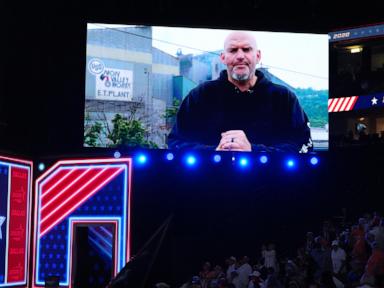
Pennsylvania Democratic Senator John Fetterman addressed the Republican midterm convention, a move that ignited internal party tensions and raised questions about his political future within the Democratic caucus.
Fetterman's appearance at the Republican gathering marks an unusual breach of partisan norms. Senior Democrats expressed concern that the freshman senator's willingness to speak before GOP audiences signals a potential drift from party orthodoxy or could foreshadow a formal party switch.
The senator's decision to accept the speaking invitation reflects deeper philosophical tensions within the Democratic Party. Fetterman has built his political brand around working-class appeal and populist messaging that frequently challenges progressive orthodoxy on criminal justice, fiscal discipline, and cultural issues. His 2022 Senate victory in Pennsylvania, a critical swing state, came despite significant health challenges and Democratic establishment concerns about his electability.
Fetterman's approach to governance has consistently diverged from mainstream Democratic positions. He has supported bipartisan criminal justice initiatives, backed law-and-order policing measures, and demonstrated skepticism toward progressive spending proposals. These stances align more closely with moderate Republican platforms than with the current Democratic Party consensus.
The timing of his GOP convention appearance carries political weight. With midterm elections determining control of Congress and setting the stage for 2024 presidential positioning, Democratic leaders view such cross-party engagement with alarm. Fetterman's presence at a Republican convention could energize GOP voters and signal fractures within Democratic unity during a competitive election cycle.
Party-switch fears among Democrats reflect historical precedent. Several high-profile Democratic legislators have switched to the Republican Party in recent years, typically citing ideological misalignment with their former party. Such defections undermine party messaging and reduce Democratic numbers in the Senate, where the party holds a narrow majority.
Fetterman's office has not indicated any plans for a formal party change. However, the senator's willingness to engage Republican audiences publicly distinguishes him from mainstream Democratic senators who maintain strict party loyalty during election years.
The incident highlights broader fractures within the Democratic coalition. Working-class Democratic voters, particularly in Pennsylvania and the Midwest, increasingly express frustration with progressive policy priorities. Fetterman's apparent comfort among Republican audiences suggests Democratic messaging may fail to address these voters' concerns about public safety, inflation, and government spending.
Democratic leadership faces pressure to maintain party discipline while accommodating diverse viewpoints within the caucus. Fetterman's independence reflects the broader challenge facing Democrats as they attempt to unite populist, progressive, and moderate factions ahead of crucial midterm contests.
The political significance extends beyond internal party dynamics. Fetterman's GOP speech could influence voter perception of Democratic Party coherence and leadership. Republicans gain messaging opportunities when prominent Democratic officials appear sympathetic to Republican causes or criticize Democratic priorities publicly.
Whether Fetterman's convention appearance represents a temporary political maneuver or signals deeper realignment remains unclear. His decision reflects the complex political calculus facing Democratic senators representing swing states who must balance party loyalty against constituent interests and personal political survival.