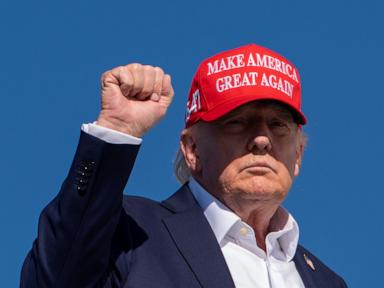
# Trump Deploys AI Memes to Reshape Image as Real Problems Mount
Donald Trump is leaning on artificial intelligence-generated memes to project strength and invincibility to supporters even as his administration confronts mounting economic and foreign policy headwinds ahead of the 2026 midterm elections.
The former president and current candidate has embraced AI-created content that portrays him as a powerful, almost mythical figure. These images circulate widely on social media platforms and pro-Trump forums, depicting him in exaggerated heroic scenarios. The strategy represents a deliberate effort to control his public image during a period when inflation continues to erode consumer purchasing power and international tensions threaten American interests.
Trump's use of AI memes marks a shift in how politicians leverage digital media. Rather than traditional campaign materials or direct messaging, he relies on user-generated and AI-created content that appears grassroots while serving his narrative. The memes typically show him triumphing over opponents, suggesting omnipotence and unshakeable resolve. This approach allows Trump to maintain plausible deniability about the content while benefiting from its circulation.
The timing reflects political necessity. Economic data shows persistent inflation that weighs on working families. Gas prices, grocery costs, and housing expenses remain elevated despite recent moderation from peak levels. Polls consistently show voters blame the incumbent administration and Congress for economic pain. Trump's party holds the White House and Congress, making them accountable for these conditions heading into midterms that will determine control of both chambers.
International challenges compound the political difficulty. Border security remains contested terrain. Trade tensions persist with China and other nations. Military deployments continue in multiple regions. These issues receive constant media coverage and generate debate about presidential competence.
The meme strategy attempts to circumvent traditional media scrutiny. By distributing images through social media rather than formal channels, Trump reaches his base directly. Supporters share the content enthusiastically, amplifying reach without campaign expenditure. The mythical portrayal creates emotional resonance that policy arguments alone cannot achieve. Supporters interpret these images as validating their existing beliefs about Trump's strength and capability.
Political observers view this tactic as both clever messaging and symptom of underlying vulnerability. Strong political positions typically require less image rehabilitation. The reliance on AI-generated fantasies suggests the real record presents difficulties that straightforward advocacy struggles to overcome.
The approach also reflects generational shifts in political communication. Younger voters especially consume political messaging through memes and social media. Traditional campaign ads reach declining audiences. Trump's deployment of AI memes targets voters where they actually spend attention.
Democrats have criticized the strategy as promoting misinformation and creating false impressions of Trump's record. They argue voters deserve accurate information about actual policy outcomes rather than fantastical imagery. The debate mirrors broader tensions over how candidates should communicate in the AI era.
As midterm campaigns intensify, expect both parties to increase reliance on AI-generated content. The technology enables rapid production of customizable messaging tailored to specific voter groups. Trump's pioneering use of mythical AI imagery likely foreshadows broader adoption across the political spectrum.