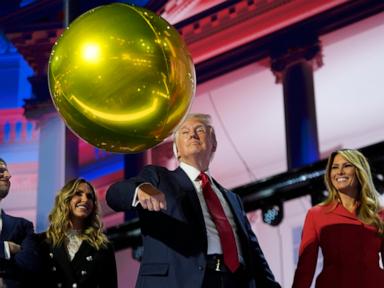
# Republicans Gather in Dallas for Trump-Led Midterm Convention
Donald Trump engineered an unconventional Republican National Convention in Dallas this week, marking a sharp departure from traditional party structures and signaling his continued dominance over the GOP heading into the 2022 midterm elections.
The two-day event reflects Trump's outsized influence over Republican strategy and messaging. Rather than allow the Republican National Committee to control the convention independently, Trump essentially designed the gathering to serve his political objectives. This consolidation of power demonstrates how thoroughly Trump has reshaped the party in his image since leaving the White House.
The convention timing proves strategic. Midterm elections typically favor the party out of power, but Republicans face headwinds. Inflation concerns, gas prices, and lingering pandemic effects create voter anxiety. Trump's convention aims to energize the base and establish coherent messaging around GOP priorities. By hosting this event in Dallas, a reliably red Texas city, Republicans attempt to project strength and unity.
Several dynamics merit attention as delegates gather. First, Trump's endorsement strategy will receive scrutiny. He has backed specific candidates in competitive primaries, elevating some while sidelining traditional establishment figures. Whether his endorsees translate his support into general election victories determines whether Trump's kingmaker status extends to November.
Second, the convention reveals internal party tensions between Trump loyalists and Republican moderates. Figures like Mitch McConnell represent the traditional GOP establishment. Trump's convention effectively challenges McConnell's Senate Republican leadership by promoting candidates who prioritize loyalty to Trump over institutional party structures. This fault line shapes which Republicans gain platforms and credibility heading into midterms.
Third, watch how speakers address January 6. Republicans remain divided on whether to distance from or defend Trump's role in the Capitol riot. Convention rhetoric on this subject indicates whether Republicans believe moving forward requires reckoning with recent history or doubling down on Trump's narrative.
Fourth, policy messaging matters. Republicans must articulate a positive midterm agenda beyond Trump grievances. Will speakers focus on inflation, crime, border security, and education? Or will the convention devolve into recitation of alleged 2020 election irregularities? The balance between forward-looking governance and backward-looking grievances shapes how persuadable independent and swing voters perceive the party.
Fifth, delegate composition signals party demographics. Does the convention include younger Republicans and ethnic minority representation, or does it skew heavily toward Trump's core base of white working-class voters? Demographic diversity in attendance and speaking slots reveals whether Republicans believe their electoral path requires broadening appeal.
Sixth, candidate attendance and prominence communicate party priorities. Which Republican Senate and gubernatorial nominees receive prime speaking slots? Which remain marginalized? Trump's implicit ranking of candidates through convention access shapes media narratives about Republican momentum.
The convention also tests whether Trump can unify fractious Republicans. State parties disagree on tactics. Moderate Republicans worry Trump's dominance alienates suburban voters who abandoned the party in 2020. Populist Republicans demand revenge campaigns against perceived enemies and unwavering loyalty oaths. Can a convention paper over these divisions, or will tensions surface publicly?
Ultimately, this unconventional midterm convention demonstrates Trump's determination to remain the party's gravitational center. His ability to command resources, control messaging, and determine candidate viability through direct endorsements represents a fundamental restructuring of Republican Party power. The Dallas gathering tests whether this Trump-centric model produces electoral success or deepens party fractures ahead of November's midterms.