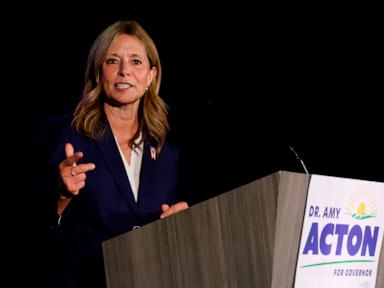
# Democratic Ohio Governor Candidate Attacked at State Fair
A Democratic candidate for Ohio governor faced a violent assault at a state fair when an assailant lunged at him, according to the campaign. The attack left several people injured in what marks an escalation of political violence during the 2024 election cycle.
The incident occurred at a public event where the candidate was campaigning and interacting with voters. Campaign officials said the assailant approached suddenly and attempted to physically harm the candidate. The attack was swift but resulted in injuries to multiple people at the scene, though specific details about the nature of those injuries remained limited in initial reports.
Law enforcement responded to the fairgrounds after the incident. The campaign did not initially release extensive details about the attacker's identity, motivation, or whether the person was taken into custody. Ohio State Fair officials and local police coordinated the response.
This assault reflects a troubling pattern of political violence affecting candidates across the country. In recent election cycles, physical attacks on candidates have increased in frequency and severity, with both Democratic and Republican candidates reporting threats and confrontations. The Ohio incident carries particular weight given the state's status as a perennial battleground in presidential and statewide races. Ohio remains one of America's most competitive electoral landscapes, making gubernatorial campaigns especially high-stakes and visible.
The Democratic candidate's campaign released a statement about the assault but focused primarily on thanking first responders and those who assisted at the scene. No immediate statement indicated whether the candidate would reduce public appearances or take additional security measures.
Political violence has emerged as an ongoing concern for law enforcement and election officials nationwide. The Secret Service, FBI, and local authorities have heightened security protocols for major candidates and public officials following previous incidents. Fair and festival settings present particular challenges for security because they are open, public spaces designed for accessibility and casual interaction with the community.
Ohio's gubernatorial landscape includes competition for one of the nation's most powerful state offices. The governor controls significant resources, veto authority over the state legislature, and appointive power over numerous state boards and commissions. Ohio's economy, educational policies, and healthcare decisions flow directly from the governor's office, making races for the position intensely competitive.
The incident raises questions about campaign security in open public settings and whether candidates will adjust their strategies moving forward. Public events like state fairs traditionally offer candidates direct voter contact opportunities that cannot be replicated through digital channels or staged rallies. Yet such open access creates vulnerabilities that security professionals must balance against the democratic value of candidate accessibility.
The campaign indicated it would continue operating and that the candidate remained committed to grassroots campaigning. Whether this incident changes voter perceptions, security protocols, or candidate scheduling remains to be seen as the election season advances.