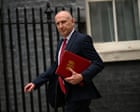
John Healey, the UK Chancellor of the Exchequer, has signaled that October's budget will impose difficult spending constraints on Britain, citing geopolitical turmoil and deteriorating economic conditions driven by the Middle East conflict. Healey told the Financial Times that escalating tensions involving Iran will shape his fiscal decisions when he presents his first budget on October 28.
The chancellor faces mounting economic headwinds. Global bond yields have reached their highest levels in 18 years, reflecting investor anxiety about inflation, geopolitical risk, and fiscal sustainability across developed economies. This bond market pressure directly impacts the UK government's borrowing costs and constrains fiscal flexibility. Healey stated he wants to build a "buffer" against economic uncertainty, signaling the government will prioritize financial stability over expansive spending programs.
The Middle East conflict adds a layer of complexity to Britain's fiscal outlook. Military tensions could disrupt energy markets, push oil prices higher, and trigger inflation spikes. These outcomes would complicate the Bank of England's monetary policy decisions and reduce real household incomes. The conflict also creates uncertainty around defense spending, as NATO allies reassess security commitments and military preparedness.
Healey's comments represent a recalibration of expectations after Labour's election victory in July. The party campaigned on economic competence and promised investment in public services, particularly the NHS. The chancellor's warning suggests those ambitions will face restraint when he unveils fiscal plans in six weeks.
The political context matters here. Labour inherited what officials described as a damaged public balance sheet. The Conservative government left the Treasury with ongoing spending pressures in health, social care, and defense while tax revenues remain constrained. Healey must balance pledges to improve public services against the reality of limited fiscal room. A "tough budget" signals tax rises or spending cuts or both.
Markets already react to Healey's tone. His comments about building a buffer and acknowledging external pressures aim to manage bond investor expectations and prevent a repeat of the 2022 market turbulence that followed Liz Truss's minibudget. By signaling toughness now, Healey establishes narrative control, preparing the public for difficult choices ahead.
Defense spending presents a particular pressure point. NATO members face calls to increase military budgets as Russia maintains its Ukraine presence and Middle East instability grows. The UK already spends roughly 2.5 percent of GDP on defense. Healey may face pressure from allies and military planners to increase this allocation, further constraining domestic spending.
The chancellor's reliance on external factors—Trump's Middle East policy, bond yields, geopolitical risk—reflects genuine constraints on British fiscal autonomy. However, it also provides political cover. By framing toughness as a necessity imposed by external forces rather than ideological choice, Healey shields Labour from claims that the party broke election promises through its own decisions.
The October 28 budget will reveal whether Healey pursues tax increases, spending restraint, or a combination. His Financial Times interview suggests the public should expect neither spending splurges nor tax cuts. Instead, the government will prioritize financial stability and maintaining investor confidence in UK sovereign debt. That positioning reflects how thoroughly the Middle East conflict and elevated bond yields have reshaped Britain's fiscal landscape.