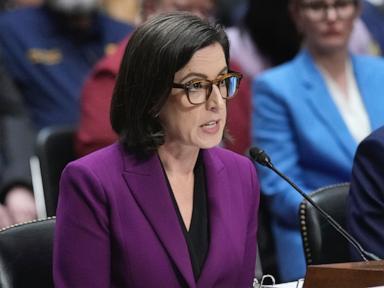
A former Justice Department pardon attorney has filed suit against the federal government, claiming she was terminated in retaliation for refusing to recommend that actor Mel Gibson regain his gun rights.
The pardon attorney, whose name has not been disclosed in initial reporting, states she lost her position after declining to endorse Gibson's petition for firearm restoration. This dispute centers on Gibson's 2006 DUI arrest in Malibu, California, which resulted in a felony conviction that stripped him of his right to possess firearms under federal law.
The case raises questions about political interference in the pardon and clemency process, traditionally handled by career Justice Department attorneys who operate at arm's length from executive influence. Pardon attorneys evaluate applications based on legal standards, rehabilitation evidence, and public service records. Their role carries expectation of independence from partisan or celebrity-driven pressure.
Gibson's gun rights case entered the pardon system during a period when the Trump administration accelerated clemency decisions. The former president granted hundreds of pardons and commutations, sometimes overriding recommendations from career prosecutors and pardon officials. This included high-profile cases involving political allies and media figures.
The fired attorney's lawsuit introduces allegations that Justice Department leadership pressured her to reverse her professional judgment on Gibson's case. If proven, such pressure would contradict the established norms governing federal clemency review. Pardon attorneys historically resist external pressure to ensure recommendations rest on merit and established criteria rather than politics or celebrity status.
Gibson's 2006 arrest led to a conviction on charges related to driving under the influence. The felony conviction triggered automatic firearms restrictions under federal law. Gibson later argued for restoration of his rights, claiming rehabilitation and changed circumstances warranted reversal of the gun prohibition.
The actor's career experienced significant turbulence following the arrest. Public statements he made during and after the incident sparked widespread controversy. His professional opportunities diminished considerably, though he later returned to acting with roles in various films.
The lawsuit suggests internal conflict within the Justice Department over how to handle Gibson's case. Career attorneys apparently applied standard pardon evaluation procedures. Leadership, according to the fired attorney's claims, pushed for a different outcome.
This dispute reflects broader tension between institutional norms and political direction within executive agencies. Career civil servants often operate under different priorities than political appointees. When those priorities clash, disputes over proper procedure and independence emerge.
The case may expose whether Justice Department protocols for pardon review withstood pressure during the prior administration. Court records from the lawsuit will detail the timeline of events, communications between officials, and specific reasons cited for the attorney's termination.
Gibson's gun rights remain an open question. If his petition eventually reaches the president's desk, the pardon decision rests entirely with executive discretion. No law requires adoption of pardon attorney recommendations, though the process traditionally weights their expertise.
The lawsuit represents a rare public dispute between a career Justice Department attorney and leadership over pardon procedures. Most disagreements in federal clemency cases remain internal and undisclosed. This case brings those internal dynamics into public view and potentially into courtroom examination.