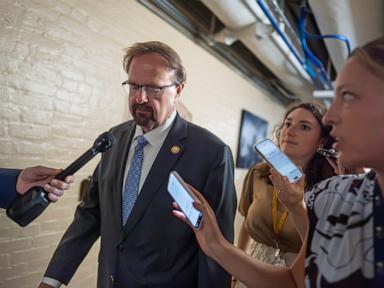
# House Censures North Carolina Republican Edwards for Staff Misconduct
The House of Representatives voted to censure Republican Rep. Virginia Foxx of North Carolina after the chamber's Ethics Committee substantiated claims that the congresswoman engaged in inappropriate conduct toward two young female staffers on her team. The bipartisan rebuke represents one of the more serious formal disciplinary actions available to the House short of expulsion.
The Ethics Committee determined that Edwards created a pattern of unwelcome behavior directed at junior female employees. Committee investigators found that the congresswoman made inappropriate comments and engaged in conduct that violated House rules governing workplace conduct and treatment of staff. The two staffers who came forward reported feeling uncomfortable and unsafe in the office environment Edwards created.
Details of the specific behavior emerged during the investigation. Edwards allegedly made unwanted physical contact with at least one staffer and created a hostile work environment through repeated inappropriate remarks of a personal nature. Neither staffer had filed formal complaints during their time working for Edwards, but both ultimately departed her office. The Ethics Committee's investigation was launched following new information brought to the attention of House leadership about the nature of Edwards' conduct.
Censure is a formal statement of disapproval issued by the House as a whole. Members who are censured receive a written record of the reprimand placed in their official file. The censured representative must stand in the well of the House chamber while the censure resolution is read aloud, a ceremony designed to ensure public accountability. Unlike expulsion or formal sanctions that remove voting power, censured members retain their seats and legislative authority.
The vote demonstrated bipartisan agreement on workplace conduct standards. Democrats and Republicans voted together to support the censure motion, signaling that both parties view Edwards' alleged behavior as violating basic standards of professional conduct expected in congressional offices.
Edwards has represented North Carolina's 5th Congressional District since 2015 and previously served in the state legislature. She held significant committee assignments and was viewed as a rising figure within the GOP caucus. The Ethics Committee's findings and subsequent censure vote diminish her standing within the Republican delegation and cloud her legislative record.
The case reflects broader pressure within Congress to enforce standards governing treatment of staff. Recent years have seen heightened scrutiny of workplace conduct across Capitol Hill, with multiple members facing discipline for harassment and inappropriate behavior. The House Ethics Committee has grown more active in investigating complaints and bringing cases to the full chamber for action.
Edwards issued a statement following the censure vote. She disputed some of the committee's findings but acknowledged that her conduct fell short of the standards expected of members of Congress. The congresswoman expressed regret and indicated her commitment to improving her office culture and management practices going forward.
The censure vote places Edwards in a difficult position heading into the next election cycle. Primary challengers may cite the disciplinary action as evidence that she is unfit to represent the district. National Republican leadership will likely distance themselves from Edwards during fundraising and campaign appearances, given the negative publicity surrounding the censure.