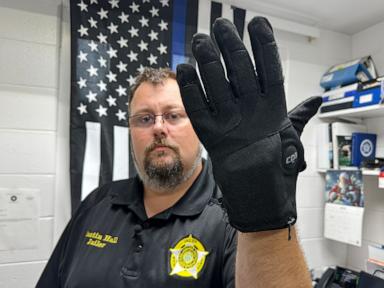
A coalition of Democratic senators, led by Catherine Cortez Masto of Nevada, has demanded that Immigration and Customs Enforcement cancel its procurement of stun gloves designed to deliver electric shocks to detainees.
The senators argue that equipping ICE officers with electroshock devices raises serious human rights concerns and violates basic standards for humane treatment. Cortez Masto and her colleagues contend that the weapons escalate the risk of injury during enforcement operations and set a troubling precedent for law enforcement use of force tactics.
The stun gloves, also called electrified knuckle weapons, function by delivering electrical current through the knuckles when making contact with a target. Law enforcement and military agencies have explored such devices as alternatives to traditional weapons, but civil liberties advocates warn that electroshock tools often result in severe pain, muscle damage, and potential cardiac complications.
Cortez Masto leads the Democratic effort to block the purchase through legislative pressure rather than litigation. Her office has communicated directly with ICE leadership requesting cancellation of the equipment order. The senator has not disclosed the exact number of gloves ICE sought to purchase or the contract value, but the equipment represents a significant capability expansion for the agency.
This move reflects broader Democratic concerns about ICE enforcement practices and agency conduct. Cortez Masto has established herself as a vocal critic of mass deportation policies and aggressive immigration enforcement. Her effort joins other congressional opposition to ICE acquisitions that expand the agency's use-of-force capabilities.
ICE, which operates under the Department of Homeland Security, reports to leadership appointed by the president. The agency's policy on less-lethal weapons remains under internal review, though ICE has historically maintained discretion over equipment purchases within its budget allocation.
The stun glove controversy arrives as immigration enforcement remains a defining political flashpoint. Deportation operations, detention conditions, and officer conduct have drawn scrutiny from immigration advocates, human rights organizations, and lawmakers across the political spectrum. Some Republicans support expanded ICE capabilities, while Democrats increasingly push back against what they characterize as militarization of enforcement activities.
Congressional pressure carries weight in budget appropriations cycles. If Cortez Masto's coalition gains broader Democratic support, they could attach riders to appropriations bills preventing ICE from spending funds on electroshock equipment. Such restrictions have blocked other controversial acquisitions in previous budget cycles.
The senators' action underscores tensions within the immigration policy debate. Enforcement proponents argue that expanded equipment options improve officer safety during dangerous operations. Civil liberties advocates counter that such tools disproportionately harm vulnerable populations, including immigrants detained in agency custody.
ICE has not yet responded to the senators' demands or indicated whether the agency intends to proceed with the purchase. The agency typically defends equipment acquisitions as necessary for officer protection and operational effectiveness.