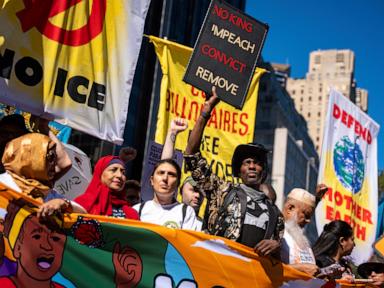
Democrats are downplaying climate change on the campaign trail despite record global temperatures, as voters prioritize economic concerns over environmental policy. The shift reflects a strategic calculation that inflation, housing costs, and jobs matter more to swing voters than climate initiatives.
Party operatives acknowledge the reality of shifting voter priorities. While climate advocates pushed for aggressive environmental messaging, Democratic candidates in competitive races have instead centered their campaigns on kitchen-table issues. Polling shows voters rank the economy and cost of living above climate action, particularly in crucial swing districts where elections are decided.
The de-emphasis represents a departure from 2020, when President Joe Biden made climate commitments central to his campaign platform. Biden's administration subsequently passed the Inflation Reduction Act, which directed nearly $370 billion toward clean energy investments and emissions reductions. Yet candidates running for office in 2024 have largely avoided highlighting these achievements or pushing for further climate action.
Several factors explain this tactical pivot. First, climate investments take years to deliver visible benefits. When a voter worries about paying rent or affording groceries, promises of long-term environmental gains feel abstract. Second, Republican messaging effectively ties climate policies to energy costs and economic pain. Democrats fear that emphasizing climate goals invites attacks on their commitment to affordability.
Regional variations matter too. In coal-dependent districts, Democratic candidates almost entirely avoid climate language. In suburban areas with more environmentally conscious voters, candidates make modest environmental appeals without making them central to their platform. This localized approach avoids alienating any constituency.
Environmental groups express frustration with this strategy. They argue that climate action and economic opportunity connect more than Democrats acknowledge. Green jobs in solar installation, wind energy, and battery manufacturing offer pathways to middle-class employment. Environmental justice advocates emphasize that low-income communities suffer most from pollution and climate impacts.
Yet Democratic strategists see little upside in emphasizing climate during tight races. Polling consistently shows climate ranks below the economy, healthcare, and abortion access in voter priorities. In states where Democrats are defending seats or hoping to flip Republican-held ones, climate messaging could depress turnout among swing voters focused on immediate economic relief.
The calculus shifts slightly for Democrats in safe seats or regions where environmental concerns rank higher. Some candidates in progressive districts and states highlight their climate records. But these remain exceptions rather than the rule.
This trend carries consequences for climate policy momentum. If Democrats win elections by avoiding climate commitments, governing majorities lack clear voter mandates for aggressive environmental action. Republican opposition to carbon pricing and emissions regulations already constrains what Democrats can accomplish legislatively. Voter silence on climate makes it easier for lawmakers to prioritize deficit reduction or infrastructure over clean energy deployment.
Global temperatures continue rising. The past several years have set heat records. Yet American electoral politics treats this reality as background noise rather than urgent governance challenge. Democrats bet voters care more about gas prices today than planetary health tomorrow.