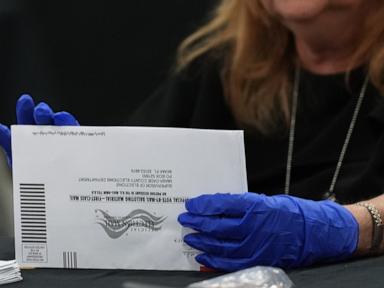
A federal judge has blocked President Donald Trump's executive order that seeks to restrict mail voting ahead of the midterm elections, delivering another legal setback to an administration effort that voting rights advocates have sharply criticized.
The ruling comes from a federal judge who found the executive order likely violates federal voting laws and the Constitution. The order targeted mail-in ballot procedures, attempting to impose new restrictions on how states administer absentee voting. Trump administration officials had argued the order protects election integrity, but opponents contend it disenfranchises voters.
This represents the second judicial blockage of the same executive order. The first came from another federal judge weeks earlier, signaling courts remain skeptical of the Trump administration's legal theory. The administration has already indicated plans to appeal, setting up another round of litigation that could reach higher courts before the midterm elections take place.
The timing amplifies pressure on the administration. With the midterms approaching, legal uncertainty around voting procedures complicates state election officials' ability to finalize ballot processes. States need clear rules months in advance to train poll workers, order materials, and communicate procedures to voters. Repeated court blocks create administrative chaos.
Voting rights organizations including the American Civil Liberties Union and Democratic groups opposed the order from the start. They argued Trump targeted mail voting specifically to suppress turnout among groups more likely to vote by mail, including older voters, military personnel stationed overseas, and voters with disabilities. They pointed to Trump's own rhetoric about mail voting during previous campaigns.
The Justice Department, defending Trump's order, maintains the executive order stays within presidential authority to direct executive branch officials regarding federal elections. They argue the order simply clarifies existing law rather than creating new restrictions. Federal judges have rejected this reasoning twice now.
Election law experts note the repeated blocks reflect judicial skepticism about the order's constitutional footing. The Voting Rights Act and the Constitution grant significant authority over election procedures to states, not the federal executive. Trump's order appeared to override state processes without clear statutory authorization. Courts have traditionally deferral to state control over voting mechanics.
The appeals process will likely move quickly. The Trump administration faces pressure to obtain a stay or reversal before Election Day. Higher courts, potentially including the Supreme Court, could ultimately decide the order's fate. Conservative justices might view executive power more broadly, but even conservative judges have sometimes limited federal attempts to restrict voting access.
For election administrators in states receiving federal guidance tied to this order, the legal limbo creates practical problems. Some states halted preparations pending clarity on what rules would actually govern mail voting. The second block extends this uncertainty, forcing officials to plan under the assumption mail voting will proceed under existing state frameworks.
The ruling reinforces that Trump administration voting policies face sustained legal opposition from federal courts, particularly at district and circuit levels. Whether higher courts will reverse course remains the open question as midterm preparations enter their final stretch.