# Historic New Orleans Hospital to Undergo Major Redevelopment
Charity Hospital, the iconic New Orleans medical facility that became a symbol of resilience and humanitarian crisis response during Hurricane Katrina, will undergo comprehensive redevelopment after nearly two decades of abandonment.
The hospital earned national recognition for the extraordinary efforts of its medical staff, who continued treating patients without electricity, running water, or supplies in the sweltering aftermath of the 2005 hurricane. Doctors and nurses remained on site for days, performing emergency care under catastrophic conditions. Their actions became documented in news reports, books, and documentaries as one of the most powerful examples of medical professionals' commitment to their patients during natural disaster.
Charity Hospital closed permanently in 2006 and has remained largely vacant since. The Louisiana Department of Health owned the building as the State's major public hospital serving uninsured and low-income residents. Its closure left a significant gap in healthcare access for vulnerable populations in New Orleans, a city with persistent poverty and health disparities.
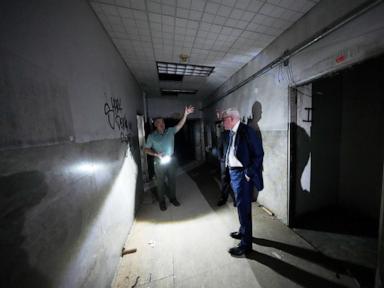
The planned redevelopment project represents a turning point for the structure, which has deteriorated significantly over the past 18 years. The building stands as an architectural reminder of both the tragedy and courage of Katrina's immediate aftermath. Various proposals for the site emerged over the years, but none advanced to implementation until now.
Details of the redevelopment plan remain limited in early announcements, but the project signals new investment in the lower Garden District area where Charity Hospital operated. Potential uses could include medical facilities, research centers, mixed-use development, or residential components. The specific vision will shape how the community rebuilds around this anchoring institution.
The hospital's closure reflected broader challenges facing New Orleans post-Katrina. The city lost population, infrastructure, and public services for years. Healthcare access declined particularly for uninsured patients who relied on Charity's services. Other public hospitals nationwide also closed or consolidated during the same period, leaving urban residents with fewer safety-net options.
Charity Hospital represents a contested part of New Orleans history. Some view it as a tragic loss of essential public healthcare. Others see redevelopment as an opportunity to revitalize an underutilized property. The project will require navigating these competing narratives while addressing practical questions about the building's structural integrity and future purpose.
The redevelopment arrives as New Orleans continues gradual recovery nearly two decades after Katrina. The city has rebuilt its population and economy, though neighborhoods remain unequal. Healthcare remains a persistent challenge, with Orleans Parish ranking among Louisiana's worst counties for health outcomes.
State officials and community stakeholders will shape how this historic building serves New Orleans in its next chapter. Whether the redevelopment prioritizes public health, commercial interests, or mixed outcomes will reflect current priorities about the city's future and its obligation to residents who survived the disaster.