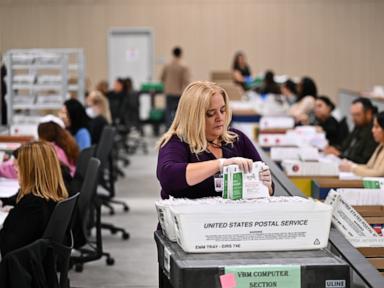
# Democratic States Challenge Trump's Mail Voting Restrictions Through Courts
A coalition of Democratic-controlled states has filed a new federal lawsuit targeting President Donald Trump's executive order that would restrict mail-in voting access for the 2024 midterm elections. The legal action represents the latest flashpoint in an ongoing partisan battle over voting methods and electoral access.
The lawsuit names Trump and relevant federal officials as defendants, arguing that the executive order exceeds presidential authority and violates voting rights protections embedded in the Constitution and federal law. Democratic state attorneys general contend that mail voting has become a standard practice used by millions of Americans, including elderly voters, military personnel stationed abroad, and citizens with disabilities.
The timing of the legal challenge matters. With midterm elections approaching, states argue they need immediate clarity on voting procedures to prepare election infrastructure and voter outreach campaigns. Trump's order, which the lawsuit characterizes as an attempt to suppress voter participation, threatens to destabilize election administration in states that have invested years building mail voting systems.
This litigation builds on years of voting access disputes between Republican and Democratic officials. Trump has long criticized mail voting, claiming without evidence that it facilitates fraud. Election officials and security experts across both parties have repeatedly stated that mail voting systems include robust security measures, including signature verification, ballot tracking, and audit procedures. Studies examining 2020 mail voting found fraud rates below 0.0001 percent.
The executive order itself reflects Trump's stated goal of tightening voting procedures nationwide. Democrats frame the action as voter suppression designed to depress turnout among constituencies more likely to vote by mail, including suburban voters and seniors. Republicans generally support stricter voter identification requirements and in-person voting, arguing these enhance election integrity.
The lawsuit faces procedural hurdles typical of voting rights cases. Federal courts must weigh whether the executive order represents a constitutional exercise of presidential power or an unlawful intrusion into state control of elections. The Constitution grants states primary authority over election administration, though Congress possesses powers to regulate federal elections.
Federal judges will also consider whether the states have legal standing to challenge the order and whether they face sufficient harm to warrant court intervention. Democratic-controlled states argue their electoral systems and voter access mechanisms face direct disruption from the order's implementation.
This case follows a series of voting-related decisions across federal and state courts in recent years. Courts have blocked numerous state-level voting restrictions, though others have been upheld, creating an inconsistent national landscape. The Supreme Court has shown reluctance to aggressively intervene in voting disputes, preferring to defer to state legislatures on election procedures.
The outcome remains uncertain. Lower courts may issue preliminary injunctions halting the order while litigation proceeds, or they may allow implementation pending full judicial review. Appeals are virtually guaranteed regardless of initial rulings, potentially pushing resolution into late 2024 or beyond.
The case underscores how voting methods have become a polarized political battleground. Democratic officials view mail voting as essential infrastructure enabling broad participation. Republican officials frame restrictions as necessary safeguards against fraud claims. This lawsuit will test how federal courts navigate the constitutional tension between state election autonomy and federal protections for voting access.