# Summary
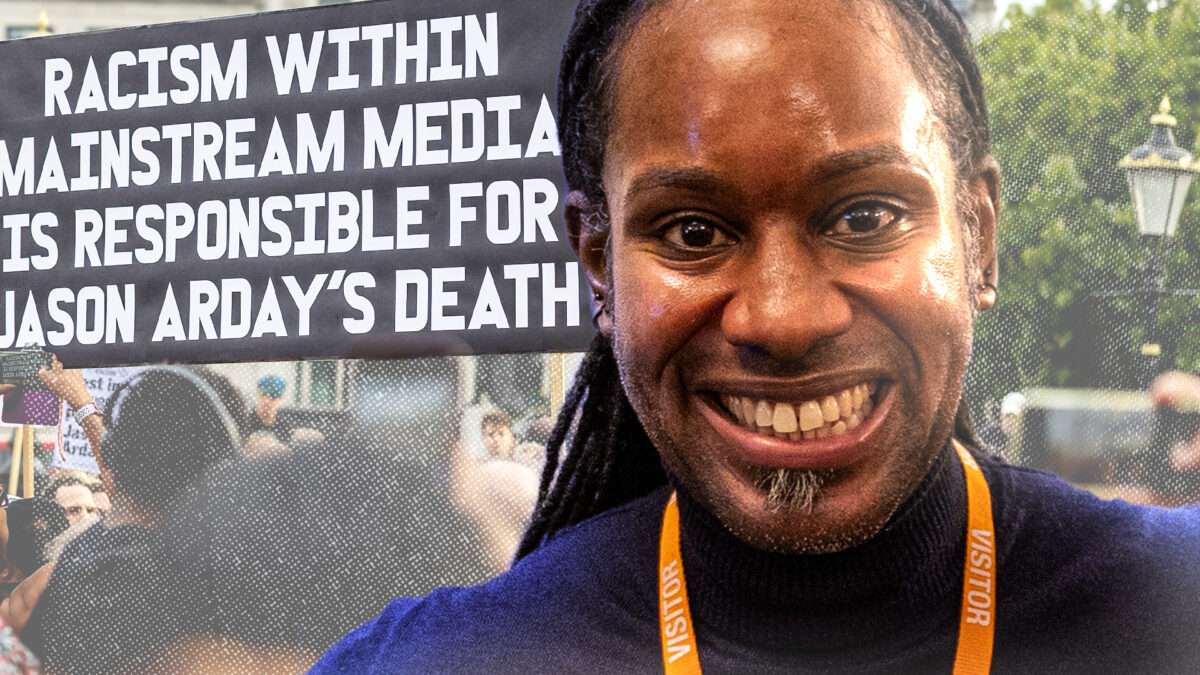
Jason Arday's death triggered calls from politicians for expanded censorship and media regulation, according to reporting from Reason. The incident became a flashpoint for demands to restrict journalistic freedom rather than address underlying causes of the tragedy.
Politicians across the political spectrum used Arday's death to justify stricter controls on news coverage and online speech. These demands represent a familiar pattern where tragic events prompt reflexive calls for regulatory expansion without clear evidence that new restrictions would prevent similar incidents.
The response illustrates how crises can shift public discourse toward limiting press freedom. Rather than examining specific failures or gaps in existing oversight, officials moved directly toward proposals that would grant government greater authority over what journalists can report and how media outlets operate.
This approach raises questions about whether such regulations address root causes or simply expand state power over information flows. Reason's framing suggests that weaponizing tragedy to advance censorship agendas serves political interests more than public safety.
The incident underscores tension between elected officials seeking to control narratives and journalists working to report facts. When politicians respond to every tragedy with demands for more governmental authority over speech and press, they establish precedent for normalizing restrictions on what citizens and media can discuss.
Whether these regulatory proposals gain traction depends on public reception and legislative appetite. The response to Arday's death reveals how tragedy becomes a tool in ongoing battles over media regulation and free expression.