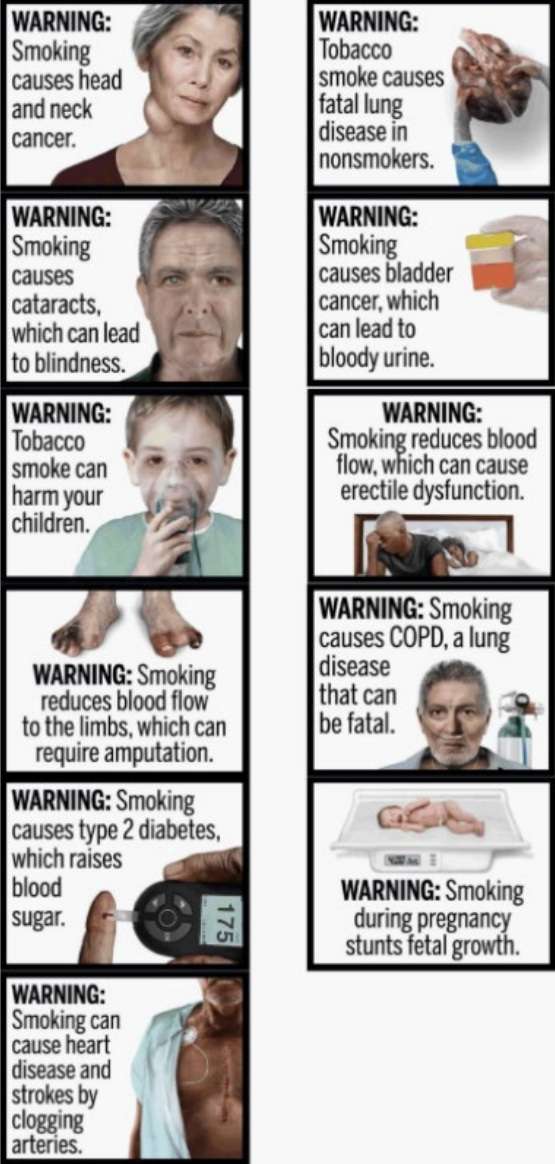
Judge Don Willett of the U.S. Court of Appeals for the Fifth Circuit has issued a sweeping opinion in R.J. Reynolds Tobacco v. FDA that establishes a framework for judicial scrutiny of federal regulatory authority. The decision, joined by other judges on the panel, uses the metaphor of restaurant secret menus to illustrate a broader point about government transparency and the rule of law.
Willett argues that while private businesses may operate with hidden procedures or undisclosed offerings, federal agencies cannot. The U.S. Code and administrative law require transparency and adherence to published rules. Regulatory agencies must follow established procedures and cannot rely on secret or informal guidance to govern private conduct.
The opinion directly challenges FDA authority by examining how the agency has applied tobacco regulations. Reynolds raised concerns that the FDA has effectively created regulatory standards not disclosed to the public or codified in official rule-making processes. Willett's decision emphasizes that such hidden regulatory schemes violate basic principles of administrative law.
This ruling carries implications beyond tobacco regulation. It signals the Fifth Circuit's willingness to police agency overreach and enforce procedural requirements that agencies frequently bypass. The decision reflects growing judicial skepticism toward the administrative state, a theme emphasized by conservative judges skeptical of expansive executive power.
The opinion's core holding restricts the FDA's ability to regulate through informal guidance, memoranda, or enforcement priorities that lack formal rule-making procedures. Agencies must publish regulations in the Federal Register and follow notice-and-comment rulemaking. They cannot hide substantive rules in guidance documents or enforcement letters.
Willett's metaphor about secret menus serves practical purposes. It makes abstract administrative law accessible while reinforcing his core argument. Federal agencies lose legitimacy when they operate like underground restaurants, keeping key rules hidden from the public and regulated industries.
Reynolds v. FDA now stands as precedent in the Fifth Circuit limiting agency regulatory