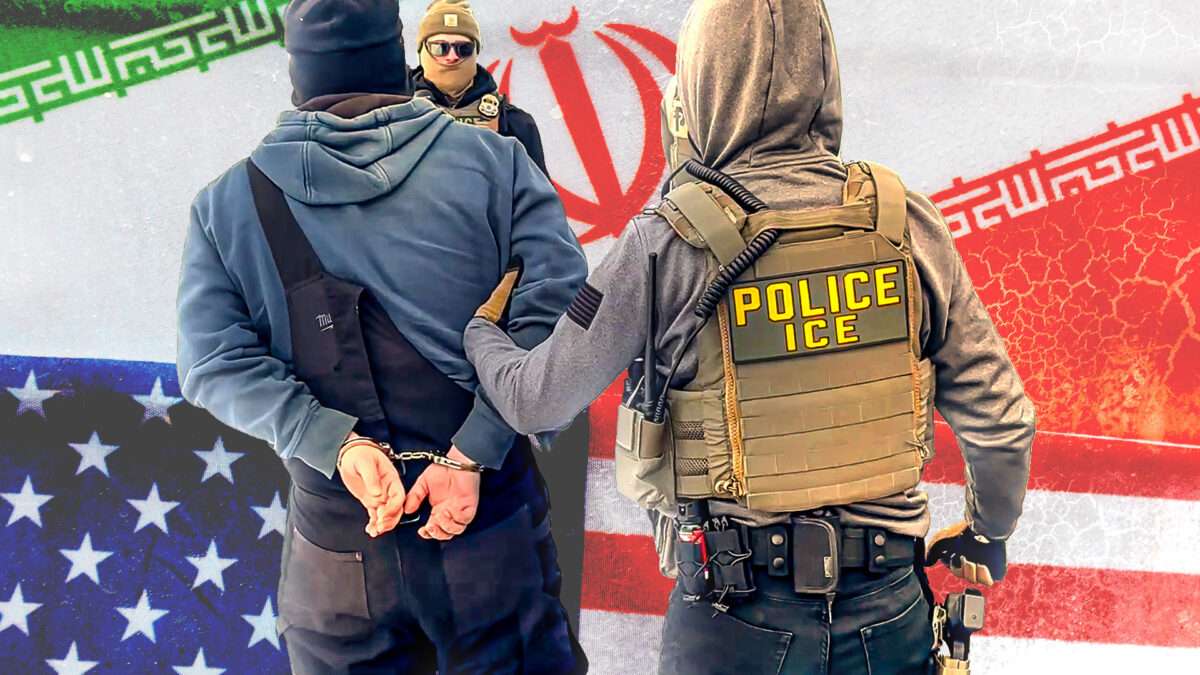
Immigration and Customs Enforcement transferred Iranian nationals to Qatari custody at the direct request of Iran's government, according to documents obtained through the Freedom of Information Act. The operation involved ICE's office in Israel working through Qatari intermediaries to identify and hand over specific Iranian citizens.
The FOIA release exposes a diplomatic arrangement that operated largely outside public scrutiny. ICE coordinated with Qatar, which maintains diplomatic relations with Iran despite regional tensions. The agency identified Iranian nationals within U.S. custody and transferred them to Qatari officials, who then delivered them to Tehran.
Details on the identities of the transferred individuals and the specific criteria used for their selection remain limited in the released documents. However, the pattern shows ICE responded to Iranian government requests with operational support. This raises questions about vetting procedures and whether the individuals faced risks upon return to Iran, where political prisoners and dissidents face documented persecution.
The arrangement reflects broader U.S. diplomatic practice of using third countries as intermediaries for sensitive transfers. Qatar has served this role before, maintaining channels to multiple governments. The use of ICE's Israeli office as a coordination point adds another layer, given the geopolitical tensions between Israel and Iran.
The disclosure arrives as ICE faces ongoing scrutiny over detention practices and transparency. Civil liberties organizations have challenged the agency's authority to conduct deportations without adequate due process reviews. This back channel operation suggests gaps in congressional oversight of ICE's international operations.
The Trump and Biden administrations have both employed indirect diplomatic channels with Iran through intermediaries. This particular ICE operation appears consistent with that pattern, though conducted at the immigration enforcement level rather than through State Department officials. The arrangement's existence indicates how deeply immigration enforcement has become entangled with foreign policy decision-making, sometimes with minimal public accountability.