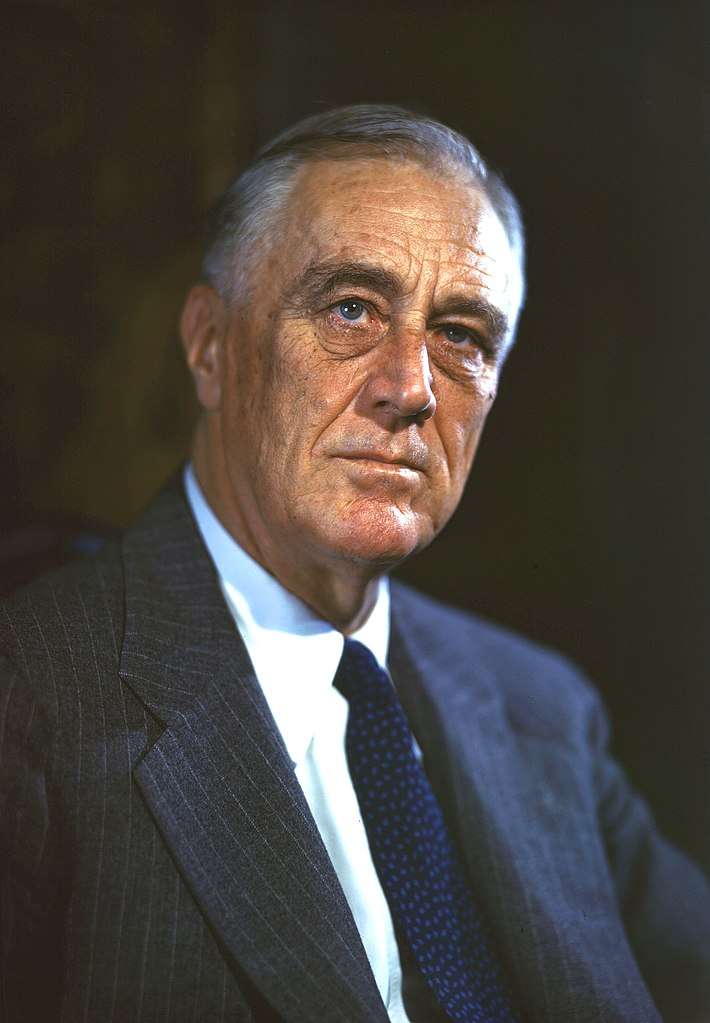
On August 16, 1933, President Franklin D. Roosevelt adopted the Code of Fair Competition for the Petroleum Industry as part of his New Deal recovery program. The action represented Roosevelt's aggressive use of executive authority to regulate markets during the Great Depression.
The petroleum code established price floors, production limits, and labor standards across the oil industry. Roosevelt relied on the National Industrial Recovery Act (NIRA), passed in June 1933, which granted the president broad power to approve industry-drafted codes. The petroleum code became one of hundreds Roosevelt would implement over the following two years.
The Supreme Court would later strike down NIRA itself. In Schechter Poultry Corp. v. United States in May 1935, the Court ruled unanimously that the statute exceeded Congress's power under the Commerce Clause and delegated excessive authority to the executive branch. Chief Justice Charles Evans Hughes wrote that the codes reached intrastate commerce and activities that affected interstate commerce only indirectly.
This 1933 action illustrates the constitutional tension at the heart of the New Deal. Roosevelt pursued economic recovery through sweeping federal intervention and code-based regulation. The petroleum code exemplified his theory that industry cooperation under government supervision could stabilize markets and protect workers.
The Supreme Court's eventual rejection of NIRA marked a turning point in constitutional jurisprudence. For months, the Court blocked key New Deal legislation. Roosevelt responded with his Court-packing plan in 1937, proposing to add justices and shift the ideological balance. Though Congress rejected the plan, the Court's composition changed through retirements and deaths, leading to broader deference to executive and legislative economic regulation.
The petroleum code's story reflects the constitutional battles of the 1930s. What Roosevelt framed as necessary emergency action, the Supreme Court initially viewed as an unconstitutional delegation of legislative power and an overreach into local commerce.