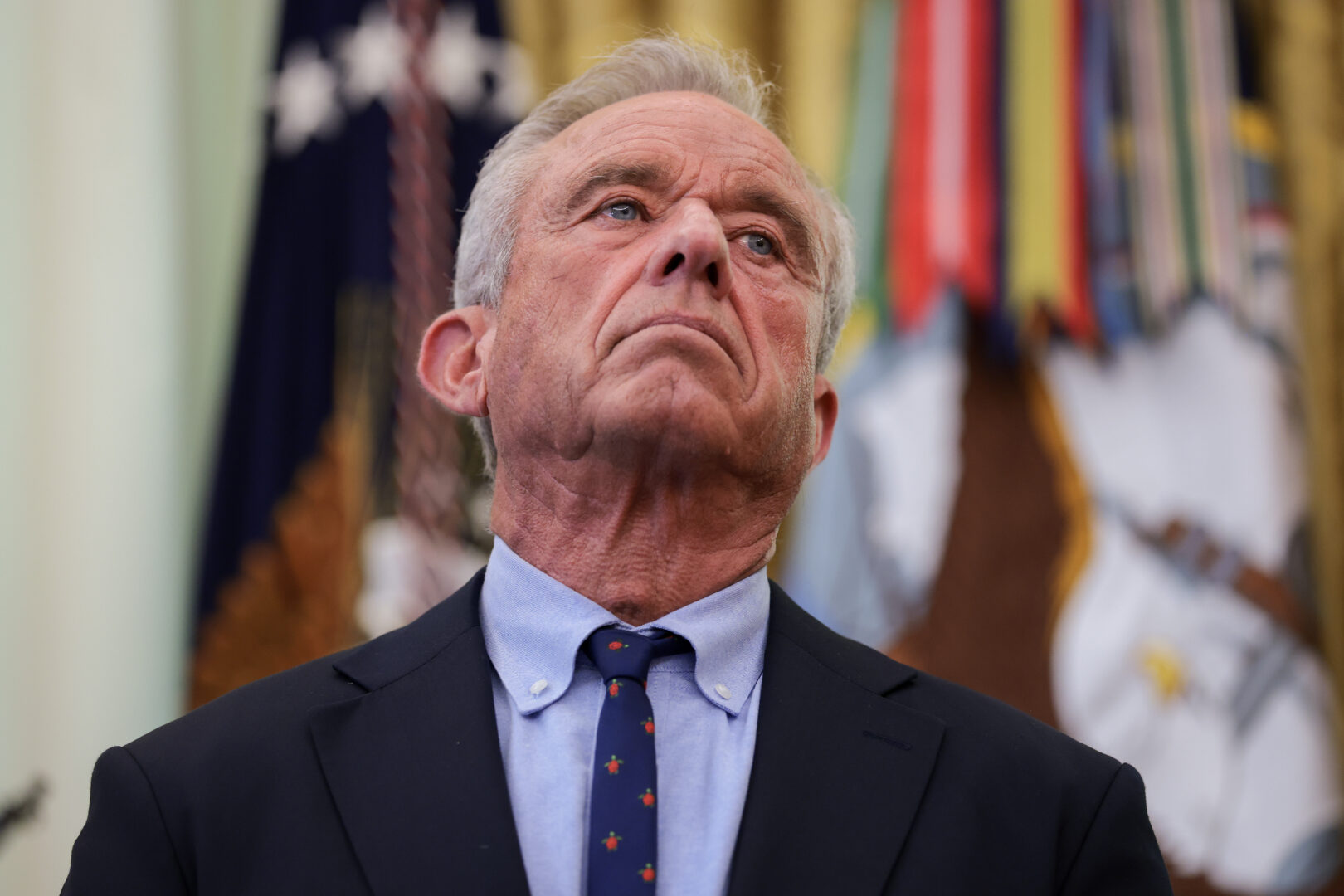
The Trump administration is recruiting new members for the National Vaccine Advisory Committee as it restructures the panel to examine alternatives to traditional vaccination approaches. This reshaping effort, led by vaccine skeptics within the administration, has triggered alarm among public health advocates and medical organizations.
The National Vaccine Advisory Committee, established in 1987, historically provides guidance across federal health agencies to the HHS assistant secretary for health. The committee typically draws from immunology experts, pediatricians, and infectious disease specialists who support evidence-based vaccination programs.
The administration's move to reshape the committee's composition and mandate signals a potential shift in how federal health policy approaches vaccine recommendations. This comes as Robert F. Kennedy Jr., Trump's pick to lead the Department of Health and Human Services, has spent decades promoting vaccine skepticism and alternative health theories despite extensive scientific evidence supporting vaccine safety and efficacy.
Outside health groups have expressed concern that replacing committee members with individuals skeptical of mainstream vaccination science could undermine decades of public health consensus. The vaccine advisory structure has historically helped coordinate immunization campaigns and respond to disease outbreaks by providing expert recommendations based on clinical research.
The timing reflects broader changes within the Trump administration's health leadership. Kennedy's ascent to a position overseeing vaccine policy marks a departure from previous administrations that relied on CDC and FDA expertise when making vaccination recommendations.
The committee membership search remains ongoing, and the administration has not publicly detailed the specific mandate changes it plans. However, the focus on exploring alternatives to vaccines rather than optimizing current vaccination programs represents a fundamental reorientation of federal vaccine advisory work.
Public health officials warn that weakening the scientific foundation of vaccine recommendations could have downstream effects on immunization rates and disease prevention efforts at state and local levels that depend on federal guidance.