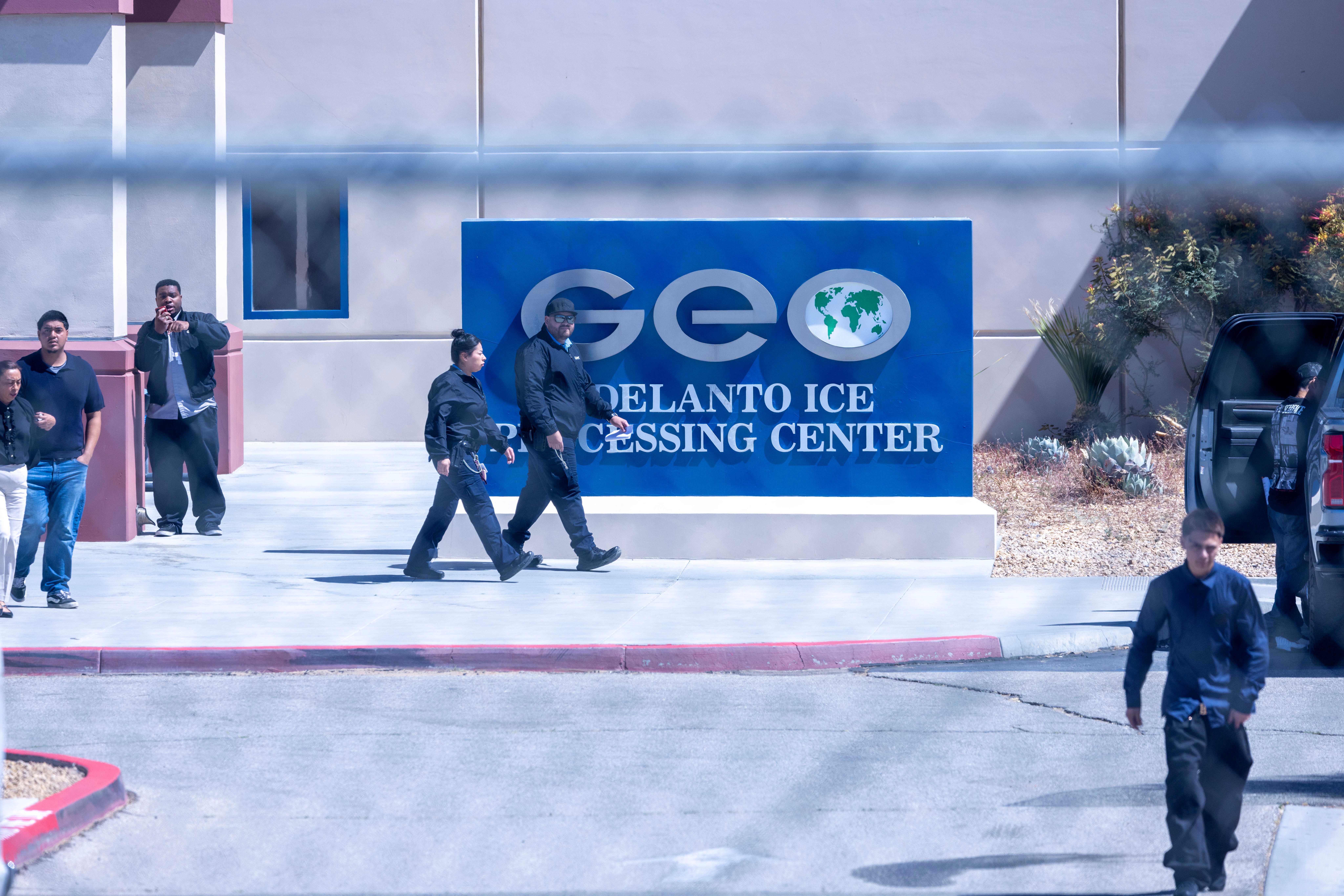
Immigration and Customs Enforcement shot and detained journalist Carlitos Ricardo Parias for nearly 300 days, setting a record for the longest detention of a U.S. journalist by federal authorities. The incident marks an escalation in tensions between law enforcement and press freedom advocates.
Parias sustained a gunshot wound during his apprehension and remains in ICE custody with an untreated, festering injury. The circumstances surrounding the shooting and his prolonged detention have drawn scrutiny from press freedom organizations and civil liberties groups who argue the government has violated constitutional protections for journalists.
ICE has not publicly justified the extended detention or explained the shooting. The agency typically detains individuals pending immigration proceedings, but the length and conditions of Parias' confinement exceed standard practices and raise questions about potential retaliation for his journalism.
The case reflects broader tensions over immigration enforcement and government transparency. Journalists covering ICE operations and border issues have increasingly encountered confrontations with federal agents. Some advocates contend the detention serves to intimidate press coverage of immigration policy and enforcement actions.
Parias' status as a working journalist should afford him protections under press freedom principles recognized in U.S. law and international conventions. Federal courts have previously upheld journalists' rights to report on government activities without fear of arbitrary detention. The prolonged confinement without clear legal justification challenges those precedents.
Immigration detention facilities have faced repeated complaints about medical care and conditions. An untreated gunshot wound compounds concerns about how ICE manages detained individuals, particularly vulnerable populations. Medical oversight in these facilities remains a persistent accountability gap.
The record-breaking detention duration suggests either bureaucratic failure or deliberate obstruction of Parias' legal remedies. Either scenario reflects institutional dysfunction within ICE or indifference to constitutional obligations. Legal representatives for Parias have likely filed habeas corpus petitions or other emergency relief, but