# Afghan Allies Face Green Card Uncertainty After U.S. Withdrawal
Thousands of Afghan nationals who served as interpreters, security personnel, and military advisors for U.S. forces during the two-decade war in Afghanistan now confront an uncertain future regarding their immigration status. These individuals arrived in the United States after the chaotic 2021 withdrawal under special visa programs designed to protect those who risked their lives supporting American military operations. Today, they worry that the Trump administration's hardline immigration stance threatens their permanent resident status and green cards.
The Afghan interpreters and support staff faced genuine danger in their home country. Taliban members and other militant groups explicitly targeted anyone who worked with American forces. The U.S. government acknowledged this threat by establishing the Special Immigrant Visa program and the Priority 2 refugee program to expedite entry for these allies. Between 76,000 and 80,000 Afghan evacuees arrived in the United States following the Taliban's rapid takeover of Kabul in August 2021.
Many of these Afghan nationals have since built lives in America. They found employment, enrolled children in schools, and began the process of obtaining permanent resident status. Green cards grant them the right to live and work indefinitely in the United States while establishing a pathway toward citizenship. The security they sought in America represented both gratitude from the U.S. government and a practical recognition that sending them back would place them in mortal danger.
The current political climate has altered this calculus. The Trump administration's immigration platform emphasizes deportations and stricter enforcement of immigration law. Officials have signaled a willingness to revisit visa categories and deport non-citizens convicted of crimes or deemed security risks. Afghan allies worry that broader deportation initiatives could ensnare them regardless of their service record or clean criminal history.
Advocacy groups representing Afghan evacuees have raised alarms about the potential revocation of green cards or suspension of pending visa applications. They argue that the U.S. government has a moral obligation to protect people who jeopardized themselves and their families by working with American forces. Deporting Afghan nationals back to Taliban-controlled territory would effectively sentence them to death or imprisonment.
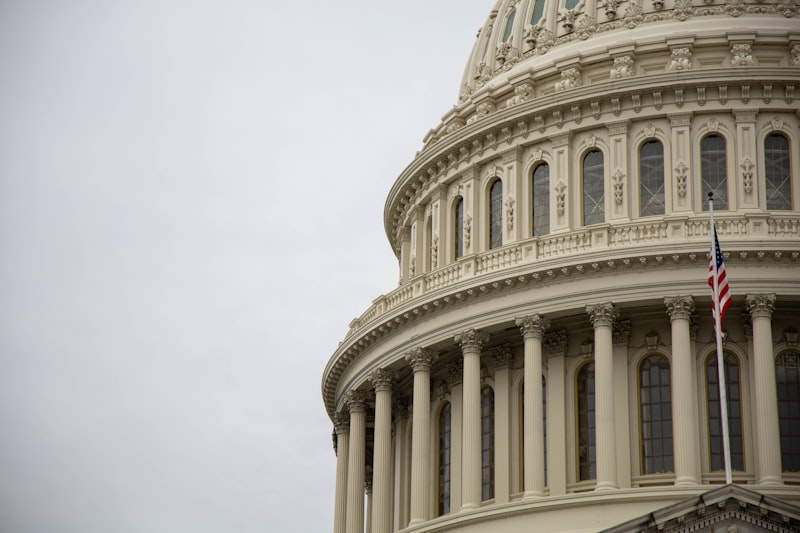
The issue cuts across party lines on Capitol Hill. Some Republican and Democratic lawmakers have pushed back against proposals that would remove Afghan allies, citing both humanitarian concerns and America's reputation for protecting those who helped during military operations. However, the administration's focus on immigration enforcement suggests that Afghan nationals may receive little exemption from broader deportation efforts.
Afghan communities in the United States remain anxious about their futures. Many worked in dangerous conditions as front-line interpreters, gathering intelligence and communicating between American soldiers and Afghan civilians. Their contributions to military operations are documented and undisputed. Yet documentation of service does not guarantee protection under the current political environment.
The situation reflects broader tensions within American immigration policy. The Trump administration prioritizes enforcement and border security while critics emphasize humanitarian obligations to vulnerable populations. Afghan evacuees find themselves caught between these competing visions of immigration policy, their fate dependent on decisions made in Washington.