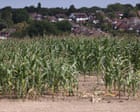
Prime Minister Andy Burnham announced £65 million in emergency funding for drought-stricken farmers on Thursday, marking a sharp pivot in the government's climate response after sustained pressure from Labour MPs and party grassroots activists.
The funding package includes direct support for water infrastructure and grants to help farmers build reservoirs on their land. Burnham framed the intervention as a rejection of the notion that agricultural producers should absorb climate risks alone. "Farmers must not carry the risks of the climate crisis alone," the prime minister stated, signaling a shift toward shared responsibility between private enterprise and government during environmental emergencies.
The announcement comes after weeks of criticism from within Labour's own ranks. Party MPs publicly objected to Burnham's delayed response to the unfolding drought and wildfires ravaging parts of Britain. Grassroots Labour members amplified complaints that the government had been slow to address climate impacts despite visible environmental damage to the countryside and food supply chains. Environmental groups had also urged Burnham to break his silence on the crisis.
The £65 million allocation targets immediate drought relief while attempting to build longer-term farm resilience. Water access improvements form part of the strategy, alongside subsidies or grants enabling farmers to construct on-site water storage. These measures aim to reduce future vulnerability when dry conditions return, a pattern climate scientists predict will intensify across Britain.
Burnham's delay in addressing the crisis publicly created political vulnerability for Labour. The party's traditional support among rural communities and environmental voters depends partly on demonstrating climate competence and agricultural support. Critics argued the government had been distracted by other priorities or failed to recognize the urgency of the unfolding emergency. The prime minister's eventual announcement represents damage control and a recalibration of priorities.
The funding announcement also reflects broader tensions within Labour between different constituencies. Environmental activists and younger party members expect aggressive climate action. Farmers, traditionally a mixed constituency politically but with strong Labour presence in some regions, require economic support during crises. Burnham's package attempts to thread this needle by combining environmental responsibility with practical economic support.
Opposition parties will likely scrutinize whether £65 million constitutes adequate response to the scale of drought impact. The National Farmers Union and agricultural leaders will assess whether the funding genuinely addresses immediate cash flow crises or merely provides symbolic relief. Regional variation in drought severity may also create disputes over funding allocation.
The announcement signals that Burnham intends to integrate climate emergency response into regular governance rather than treating it as a separate policy track. Infrastructure investment in water storage represents both climate adaptation and agricultural modernization, framing environmental protection as economically productive rather than costly.
Labour faces an ongoing challenge reconciling climate urgency with the need to support working sectors like farming. This announcement suggests the party recognizes that rhetorical commitment to environmental goals must accompany tangible financial support for communities experiencing climate impacts. The £65 million represents the first major test of whether Burnham's government can deliver on that integration.