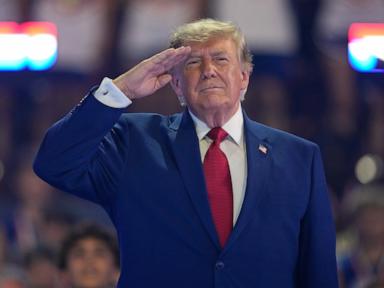
President Donald Trump plans to visit the New York Police Department's police academy on Friday to highlight what his administration characterizes as violent crime reduction achievements. The visit represents a strategic political move to emphasize public safety credentials ahead of 2024 political positioning.
Trump has made law-and-order messaging a cornerstone of his political brand since his first campaign in 2016. The New York visit targets a city where crime emerged as a defining issue during his mayoral tenure under Rudy Giuliani in the 1990s and remains central to local political debates. By visiting the NYPD training facility, Trump positions himself as aligned with law enforcement agencies and their operational priorities.
The timing of the visit carries political weight. Trump faces legal challenges across multiple jurisdictions while simultaneously maintaining strong support among voters who prioritize crime reduction and traditional policing approaches. Law enforcement institutions serve as visible platforms for communicating that message to both supporters and swing voters concerned about urban safety.
The NYPD has become a focal point in national crime debates since 2020. Following George Floyd's murder and subsequent police reform movements, the department has navigated demands for accountability alongside calls for aggressive crime-fighting tactics. Trump's visit implicitly endorses more traditional enforcement approaches, positioning him against criminal justice reform advocates and Democratic-backed bail reform legislation that some cite as contributing to repeat offenses.
New York City experienced violent crime fluctuations during Trump's first term, with some violent felonies declining while property crimes increased. The actual crime statistics remain contested terrain in partisan politics, with different analysts emphasizing different metrics and time periods to support competing narratives about whether specific policies reduced or increased criminal activity.
The visit also serves tactical purposes within New York politics. The state remains a Democratic stronghold, yet Trump won significant support in suburban and rural New York counties during 2016 and 2020. Crime concerns in New York City create political vulnerabilities for Democrats, particularly as voters in surrounding areas express frustration with public safety conditions. Trump's law-and-order message appeals to these demographics.
Law enforcement endorsements matter in Trump's political calculus. Police unions have historically backed Republican candidates emphasizing strong enforcement and officer protections. The NYPD visit allows Trump to maintain those relationships while positioning himself as the candidate who supports police operations without the restrictions he associates with Democratic administrations.
The visit occurs within a broader Republican strategy emphasizing crime as a wedge issue in upcoming elections. GOP candidates nationwide emphasize violent crime statistics, bail reform criticism, and police support in their messaging. Trump's visit to the NYPD academy extends this national strategy to New York specifically, targeting a state where crime narratives carry particular electoral weight.
New York political observers note that crime has resurged as a voter concern even in traditionally Democratic areas, creating openings for Republican messaging that emphasizes traditional law enforcement approaches. Trump's academy visit attempts to capitalize on this sentiment while demonstrating his continued influence within law enforcement circles.