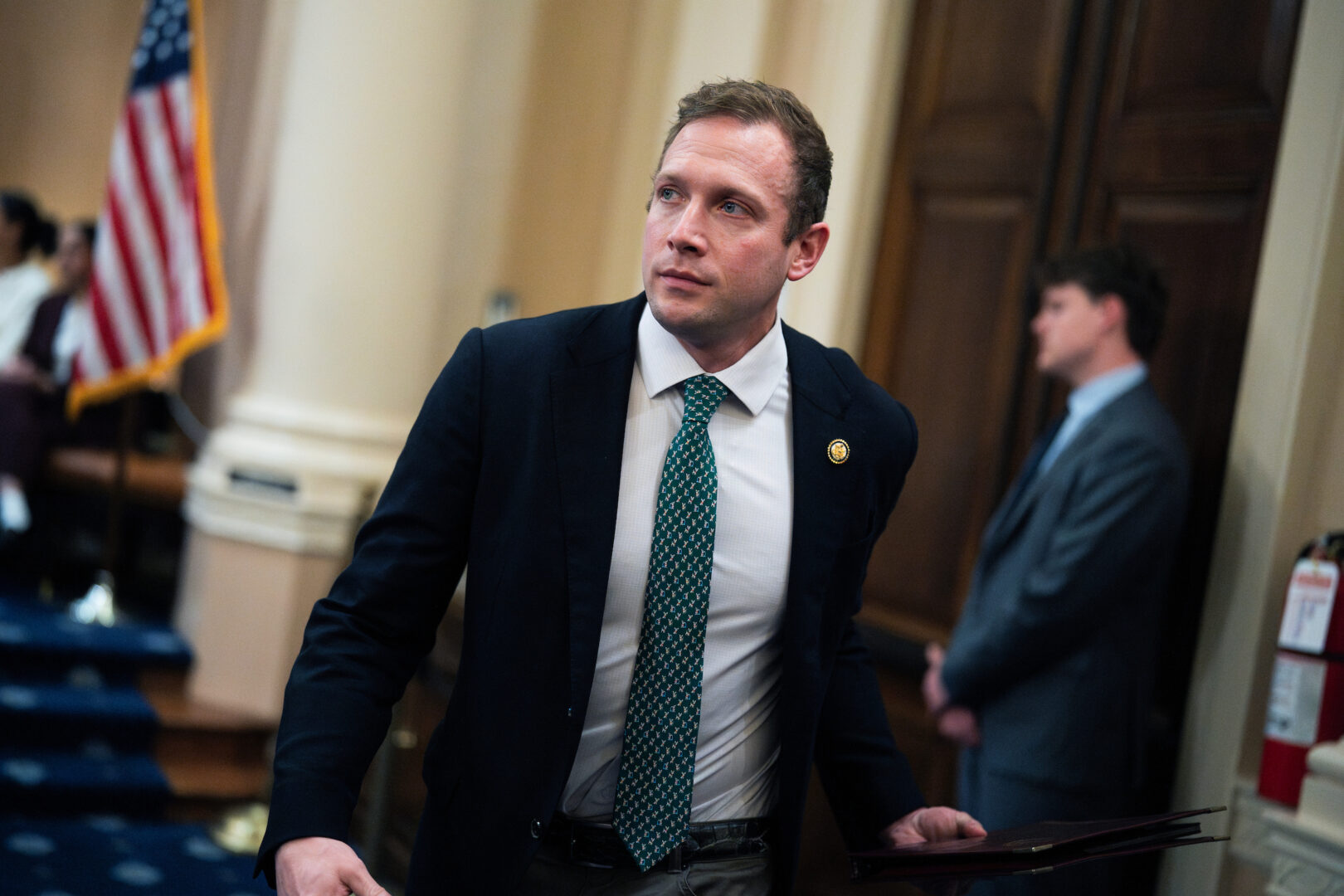
Rep. Max Miller of Ohio confronts mounting domestic abuse allegations as Republican colleagues maintain deliberate silence on the matter. Miller's ex-wife, Emily Moreno, has accused him of pouring hot water on her and pushing her against a wall. Miller denies the allegations in a public livestream, but House Republicans have largely avoided commenting on the controversy.
The allegations place Miller in precarious political territory. House Republicans have refrained from issuing statements supporting or condemning the Ohio congressman, creating a notable contrast to how the party has handled previous scandals. This silence reflects the party's calculation that engagement could damage Miller's political standing or invite scrutiny of their own handling of similar allegations.
Miller represents Ohio's 7th Congressional District and has been a Trump-backed member of the Republican caucus. His denial came through a livestream format rather than traditional media, a choice that underscores the contentious nature of the accusations. Moreno's allegations are specific and serious, involving physical violence in a domestic setting.
The muted Republican response differs from how leadership typically addresses member conduct issues. When allegations gain public attention, parties typically either rally around members they view as victims of political attacks or distance themselves from those they judge indefensible. The middle ground Republicans have chosen here suggests internal disagreement or strategic uncertainty about Miller's political viability.
This dynamic raises questions about House Republican leadership's priorities. Whether Republican silence reflects confidence in Miller's innocence, concern about the severity of the allegations, or simple political calculation remains unclear. The lack of unified party messaging leaves Miller to defend himself without institutional backing.
The situation tests Republican norms around accountability and party discipline. As the allegations intensify and potentially attract further media coverage, continued silence may become harder to maintain. Miller's colleagues face growing pressure to either defend him explicitly or distance themselves from his behavior, leaving no easy path forward for either option.