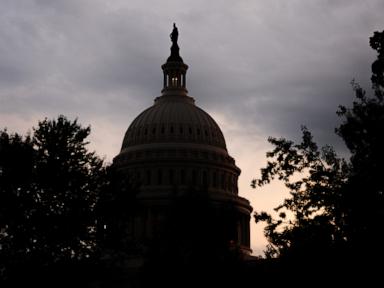
Senate leadership has negotiated a short-term spending deal to prevent a government shutdown as the 2024 campaign enters its final stretch. The measure extends current federal funding levels and buys lawmakers additional time before the November elections.
The agreement reflects both parties' desire to avoid the political fallout of shuttering federal agencies weeks before voters head to the polls. A shutdown would disrupt government services, furlough workers, and dominate news coverage at a moment when Republicans and Democrats want to control their campaign messaging.
The stopgap funding bill maintains current spending authority rather than implementing new budget levels. It provides a bridge that allows Congress to delay comprehensive spending negotiations until after the election, when a new or returning administration will take office and potentially reshape budget priorities.
Senate leaders from both parties reached the deal to spare their members politically difficult votes on government operations during campaign season. Shutdowns carry significant political risk. The party blamed for a closure typically absorbs voter backlash, making leaders reluctant to trigger one during an election year when every message matters.
The measure heads toward a floor vote, where bipartisan support is expected. Republicans and Democrats each benefit from avoiding a shutdown fight that would distract from their election messaging and strain party unity before voters go to the polls.
This approach has become routine in recent years. Rather than completing full budget bills, Congress increasingly passes continuing resolutions that freeze spending at existing levels and postpone decisions to a later date. The tactic simplifies immediate legislative business but defers harder spending choices.
The deal's passage removes one significant legislative hurdle from Congress's fall agenda. Lawmakers can now focus on other pressing matters without the constant threat of a shutdown forcing emergency votes or threatening agency operations.