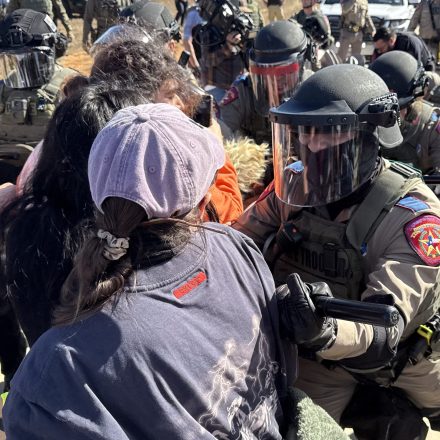
Secretary of State Marco Rubio released a State Department report alleging that Cuba orchestrated Black Lives Matter protests and anti-ICE demonstrations within the United States. The report claims Cuban intelligence services actively fomented domestic unrest to destabilize America.
Democratic representatives quickly attacked the findings as unfounded and dangerous. One unnamed Democratic lawmaker characterized the report as a pretext designed to "justify a military attack on Cuba," warning that Rubio was manufacturing justification for military intervention based on speculation rather than evidence.
The allegations lack substantiation. The report provides no concrete proof linking Cuban government operations to the protest movements. Black Lives Matter erupted organically from police brutality concerns documented across American cities. Anti-ICE activism similarly stemmed from immigration enforcement controversies independently mobilized by civil rights groups and immigrant advocates.
Rubio, a longtime Cuba hawk and Florida Republican, has consistently advocated hardline policies toward Havana. His appointment as Secretary of State under the Trump administration signals a shift toward more aggressive posturing toward the island nation. The report reflects this ideological stance rather than intelligence breakthroughs.
The timing raises questions about strategic intent. By attributing American protest movements to foreign adversaries, the State Department delegitimizes domestic dissent. Framing grassroots activism as Cuban manipulation undermines protesters' agency and allows policymakers to dismiss legitimate grievances as externally generated propaganda.
Critics argue Rubio's approach mirrors Cold War-era tactics that portrayed any leftist organizing as communist infiltration. This rhetorical framework enables escalation toward military confrontation by establishing a narrative where diplomatic solutions become impossible. If Cuba truly controls American streets through clandestine operations, negotiation becomes futile.
The report's release preceded no major foreign policy announcements regarding Cuba, but its existence establishes intellectual groundwork for future interventionist measures. Democratic opposition suggests potential Congressional resistance to military action, though Republicans