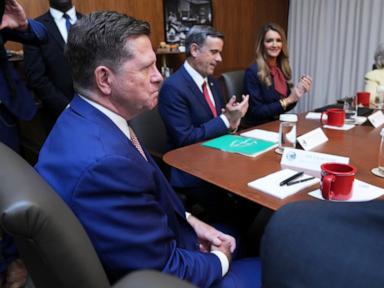
Bill Pulte steps down as acting director of national intelligence on Monday, transferring control of the intelligence apparatus to Jay Clayton. Pulte's brief two-month tenure marks a swift transition in one of the government's most sensitive positions.
Clayton, a former Securities and Exchange Commission chair under Trump, assumes leadership of the Office of the Director of National Intelligence. This agency coordinates intelligence operations across the federal government, overseeing the CIA, NSA, FBI, and other intelligence services. The transition occurs without Senate confirmation for either official, relying on acting authority granted under the Vacancies Reform Act.
Pulte's appointment in late 2024 came as Trump sought to reshape intelligence leadership aligned with his administration's priorities. His brief time in the role drew scrutiny from lawmakers concerned about the intelligence community's independence. Democrats raised questions about whether Trump was installing loyalists to suppress dissent within the intelligence establishment.
Clayton brings significant government experience but no background in intelligence matters. His previous role at the SEC focused on financial regulation and oversight of markets. Intelligence experts have questioned whether his appointment reflects Trump's intention to depoliticize the intelligence community or consolidate control over its operations.
The transition raises questions about continuity and messaging within intelligence agencies during a period of global instability. Career intelligence officers face uncertainty about leadership direction and whether long-standing protocols governing classified information and congressional oversight will shift under new management.
Neither Pulte nor Clayton required Senate confirmation for their acting roles, avoiding lengthy confirmation hearings that might have aired concerns about intelligence independence. This approach allowed Trump to move leadership quickly but also sidestepped traditional congressional scrutiny of intelligence officials. Congressional intelligence committees will monitor the transition closely, particularly regarding how the new leadership handles sensitive matters involving foreign adversaries and domestic security threats.