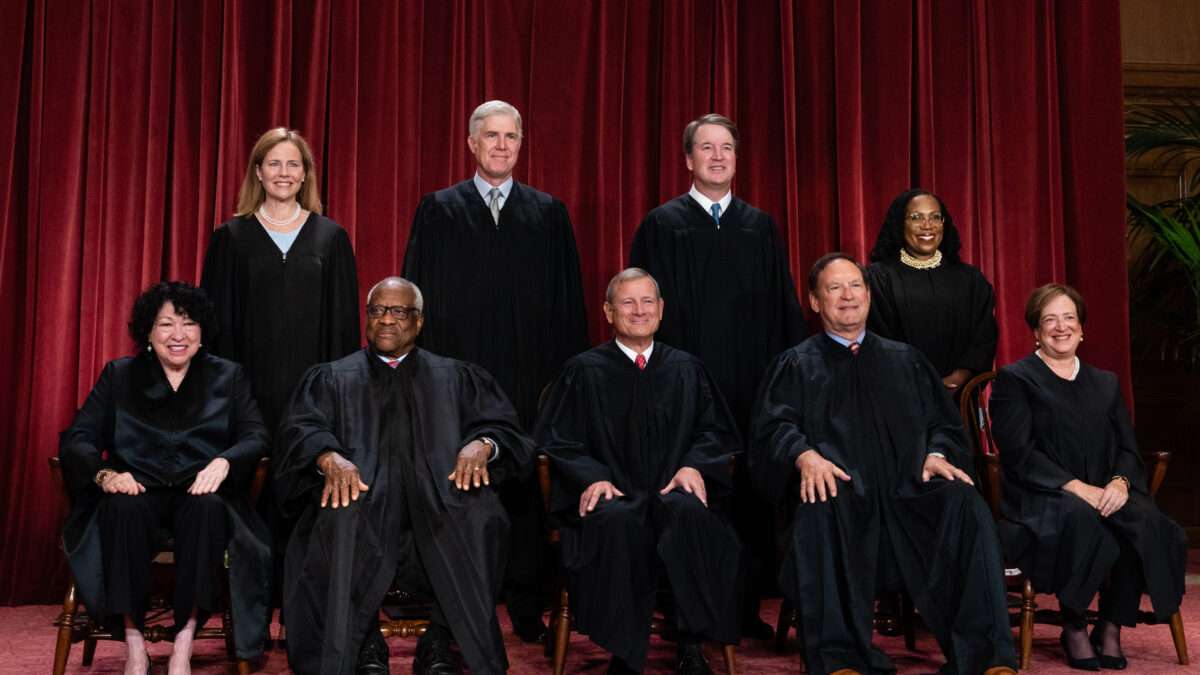
David Cole, the veteran civil rights attorney and former national legal director of the ACLU, offers a nuanced defense of the Supreme Court's performance while acknowledging its failures under Chief Justice John Roberts.
Cole argues the Court has functioned as a meaningful check on Trump's executive power in several instances. The justices blocked attempts to terminate the Deferred Action for Childhood Arrivals program, rejected efforts to add a citizenship question to the census, and constrained immigration authority in other contexts. These decisions demonstrate the Court preserved certain guardrails against executive overreach.
However, Cole criticizes the Roberts Court for abandoning precedent in ways that damage constitutional stability. He points to the overturning of Roe v. Wade as the most dramatic example, noting the majority discarded fifty years of settled law on reproductive rights. This decision violated the Court's own stare decisis principles, which emphasize respecting prior rulings except in extraordinary circumstances.
Cole also addresses voting rights decisions where the Court narrowed protections under the Voting Rights Act, departing from longstanding interpretations. He characterizes these moves as inconsistent with judicial restraint and institutional prudence.
The tension Cole identifies reflects a broader debate about judicial philosophy. Conservative justices argue they restore constitutional fidelity by overruling decisions built on flawed reasoning. Liberal critics contend this approach destabilizes law by treating precedent as provisional rather than binding.
Cole's qualified defense matters because he represents mainstream liberal legal thought. His acknowledgment that the Court checked some Trump actions prevents easy dismissal of the judiciary as wholly captured, while his precedent critique validates progressive concerns about the Court's ideological trajectory. His analysis suggests neither full institutional faith nor complete cynicism captures the Court's actual record.
The Roberts Court remains divided on fundamental questions about judicial role and constitutional interpretation, producing inconsistent outcomes that satisfy neither ideological camp.